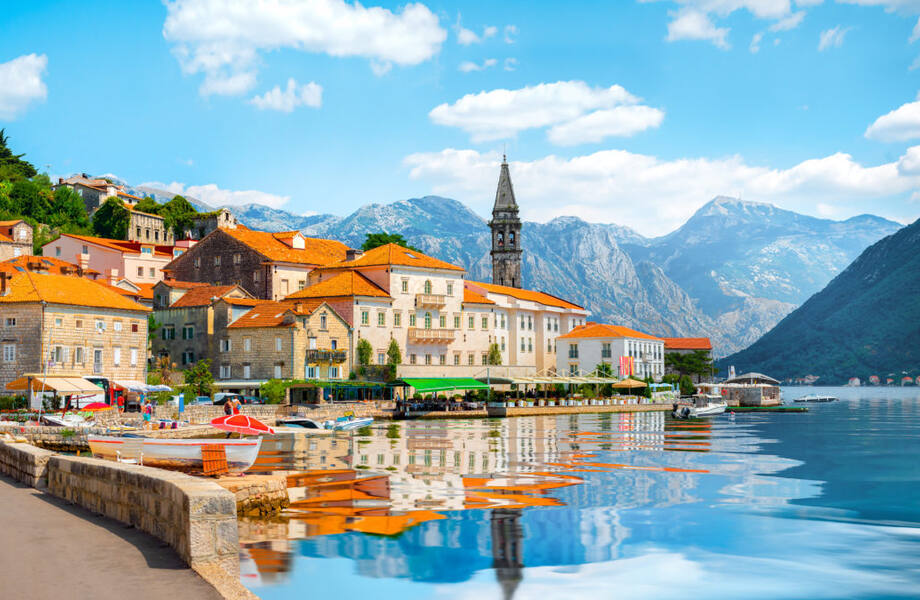


Landmarks are more than just structures or monuments; they are symbols of history, culture, and human achievement. Every country, city, and region boasts landmarks that tell stories of the past and inspire generations. Whether you are a traveler seeking adventure or someone fascinated by history, famous landmarks offer a window into the world’s diverse heritage. This guide explores some of the most iconic landmarks across continents, their significance, and why they continue to capture the imagination of millions.
What Makes a Landmark Famous?
A landmark becomes famous due to its historical importance, architectural uniqueness, or cultural significance. Some are ancient wonders built thousands of years ago, while others are modern marvels showcasing human innovation. Famous landmarks often attract tourists, researchers, and photographers, becoming symbols of national pride.
Key characteristics of a famous landmark include:
Historical Value: Monuments that represent important events or eras.
Cultural Significance: Structures that reflect the traditions, art, or beliefs of a community.
Architectural Marvel: Unique designs or construction techniques that stand out globally.
Tourist Attraction: Popular destinations that draw millions of visitors every year.
Famous Landmarks
Here is a detailed look at some of the world’s most renowned landmarks.
1. The Eiffel Tower – Paris, France
The Eiffel Tower is an iron lattice tower located on the Champ de Mars in Paris, France. Completed in 1889 as the entrance to the 1889 World’s Fair, it was initially criticized by many but has since become a global symbol of France. Standing at 324 meters (1,063 ft), it is one of the most photographed structures in the world. Visitors can enjoy panoramic views of Paris from its observation decks and dine in its iconic restaurants.
Why Visit:
Panoramic city views from multiple levels.
Light shows at night that make it a visual spectacle.
Historical significance as a symbol of French innovation.
2. The Great Wall of China – China
The Great Wall of China stretches over 21,000 kilometers and was built over several dynasties to protect against invasions. It is considered one of the greatest architectural feats in history. Walking along the wall provides an insight into ancient Chinese engineering and military strategies.
Why Visit:
Explore ancient watchtowers and fortresses.
Hike sections of varying difficulty, from restored paths to rugged areas.
Learn about China’s rich history through museums along the wall.
3. Taj Mahal – Agra, India
The Taj Mahal is a white marble mausoleum built by Emperor Shah Jahan in memory of his wife Mumtaz Mahal. Completed in 1653, it is renowned for its stunning Mughal architecture, intricate carvings, and beautiful gardens. It is recognized as a UNESCO World Heritage Site and considered one of the Seven Wonders of the World.
Why Visit:
Admire the symmetry and craftsmanship of Mughal architecture.
Experience the peaceful ambiance of its gardens and reflecting pools.
Witness sunrise or sunset for breathtaking views.
4. Statue of Liberty – New York, USA
The Statue of Liberty, a gift from France to the United States in 1886, is located on Liberty Island in New York Harbor. It symbolizes freedom, democracy, and hope. Designed by Frédéric Auguste Bartholdi, the statue is an iconic representation of American ideals.
Why Visit:
Take a ferry ride to Liberty Island with views of Manhattan.
Climb to the crown for a unique perspective of New York City.
Learn about immigration history at the nearby Ellis Island Museum.
5. Machu Picchu – Peru
Nestled in the Andes Mountains, Machu Picchu is an ancient Incan city built in the 15th century. Rediscovered in 1911, it remains a marvel of engineering with terraced fields, temples, and intricate stone constructions. It is a UNESCO World Heritage Site and attracts trekkers and history enthusiasts worldwide.
Why Visit:
Trek the Inca Trail for a memorable adventure.
Explore ancient ruins with expert guides.
Witness breathtaking mountain landscapes surrounding the site.
6. Pyramids of Giza – Egypt
The Pyramids of Giza are one of the oldest and most mysterious landmarks on Earth. Built over 4,500 years ago, they served as tombs for Pharaohs and are a testament to ancient Egyptian engineering. The Great Pyramid of Khufu is the only surviving structure of the Seven Wonders of the Ancient World.
Why Visit:
Marvel at the size and precision of the pyramids.
Ride camels across the desert for an authentic experience.
Explore the nearby Sphinx and learn about Egyptian mythology.
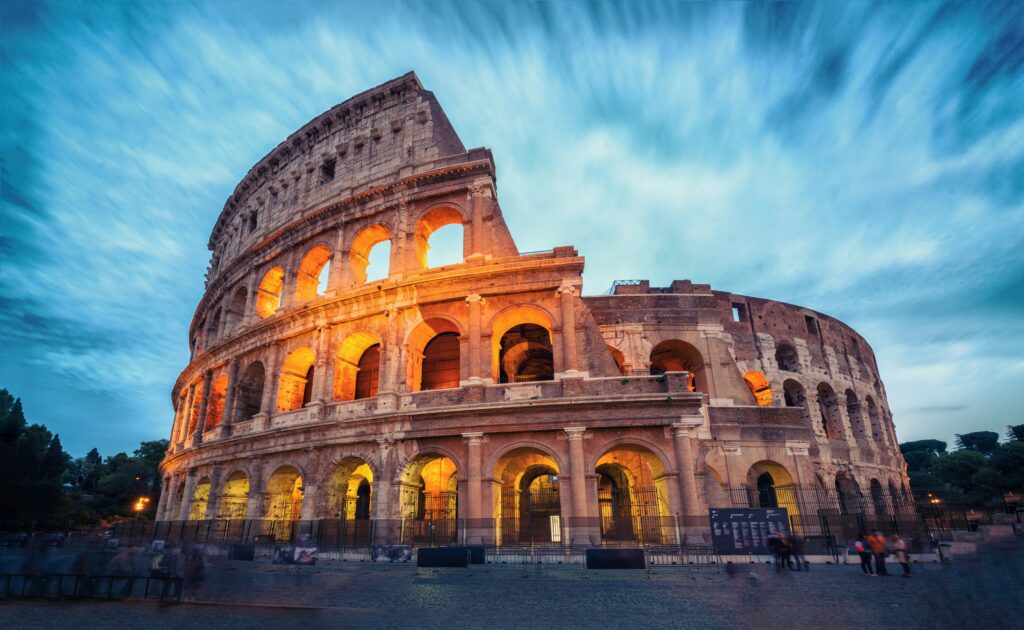
7. Colosseum – Rome, Italy
The Colosseum in Rome is a massive amphitheater built in AD 70-80. It once hosted gladiatorial contests, animal hunts, and public spectacles. Today, it stands as a symbol of the Roman Empire’s architectural and engineering prowess.
Why Visit:
Walk through ancient corridors and seating areas.
Learn about the history of gladiators and Roman entertainment.
Capture stunning photographs of its iconic arches and structure.
8. Sydney Opera House – Sydney, Australia
The Sydney Opera House, with its unique sail-like design, is one of the most recognizable modern landmarks. Completed in 1973, it hosts over 1,500 performances each year, ranging from opera and ballet to theater and concerts.
Why Visit:
Attend world-class performances in its multiple venues.
Enjoy a guided tour explaining its architecture and history.
Capture photos from the nearby Sydney Harbour Bridge for iconic views.
9. Christ the Redeemer – Rio de Janeiro, Brazil
Perched atop Corcovado Mountain, Christ the Redeemer is a 30-meter-tall statue overlooking Rio de Janeiro. Completed in 1931, it symbolizes Christianity and peace and is recognized as one of the New Seven Wonders of the World.
Why Visit:
Enjoy panoramic views of Rio, Sugarloaf Mountain, and Copacabana Beach.
Take a scenic train ride through Tijuca Forest to reach the monument.
Witness sunrise or sunset for a spectacular experience.
10. Big Ben & Houses of Parliament – London, UK
Big Ben, officially known as the Elizabeth Tower, is part of the Houses of Parliament in London. Completed in 1859, it is a symbol of British politics and architecture. The clock tower is famous for its accuracy and iconic chimes.
Why Visit:
Capture photographs of the iconic tower and surrounding River Thames.
Take guided tours of the historic Houses of Parliament.
Experience the charm of London’s historic streets and landmarks nearby.

Why Famous Landmarks Matter
Famous landmarks are not only tourist attractions but also cultural treasures. They:
Preserve history and heritage.
Promote tourism and economic growth.
Inspire art, literature, and photography.
Serve as symbols of national pride and identity.
Visiting landmarks allows people to connect with history, appreciate architecture, and understand cultural values in ways that books or movies cannot fully capture.
READ MORE:
Tips for Visiting Famous Landmarks
Plan Ahead: Research opening hours, ticket prices, and peak seasons.
Book in Advance: Popular landmarks like the Eiffel Tower or Taj Mahal often require advance tickets.
Hire Guides: Local guides can provide historical context and hidden insights.
Respect the Rules: Many landmarks are heritage sites; follow guidelines to preserve them.
Capture Memories Wisely: Take photos but avoid disrupting other visitors.
Explore Surroundings: Landmarks are often part of larger historic areas worth exploring.
Conclusion
Famous landmarks are windows into the past, reflections of culture, and symbols of human achievement. From the towering Eiffel Tower to the ancient Pyramids of Giza, these landmarks tell stories that transcend time and geography. Visiting them allows us to experience history firsthand, appreciate human creativity, and create memories that last a lifetime. Whether you are a casual traveler, a history enthusiast, or a photographer, exploring the world’s famous landmarks is a journey that educates, inspires, and captivates the soul.