
Best Time to See Northern Lights in Norway: Complete Guide for an Unforgettable Aurora Adventure
Introduction
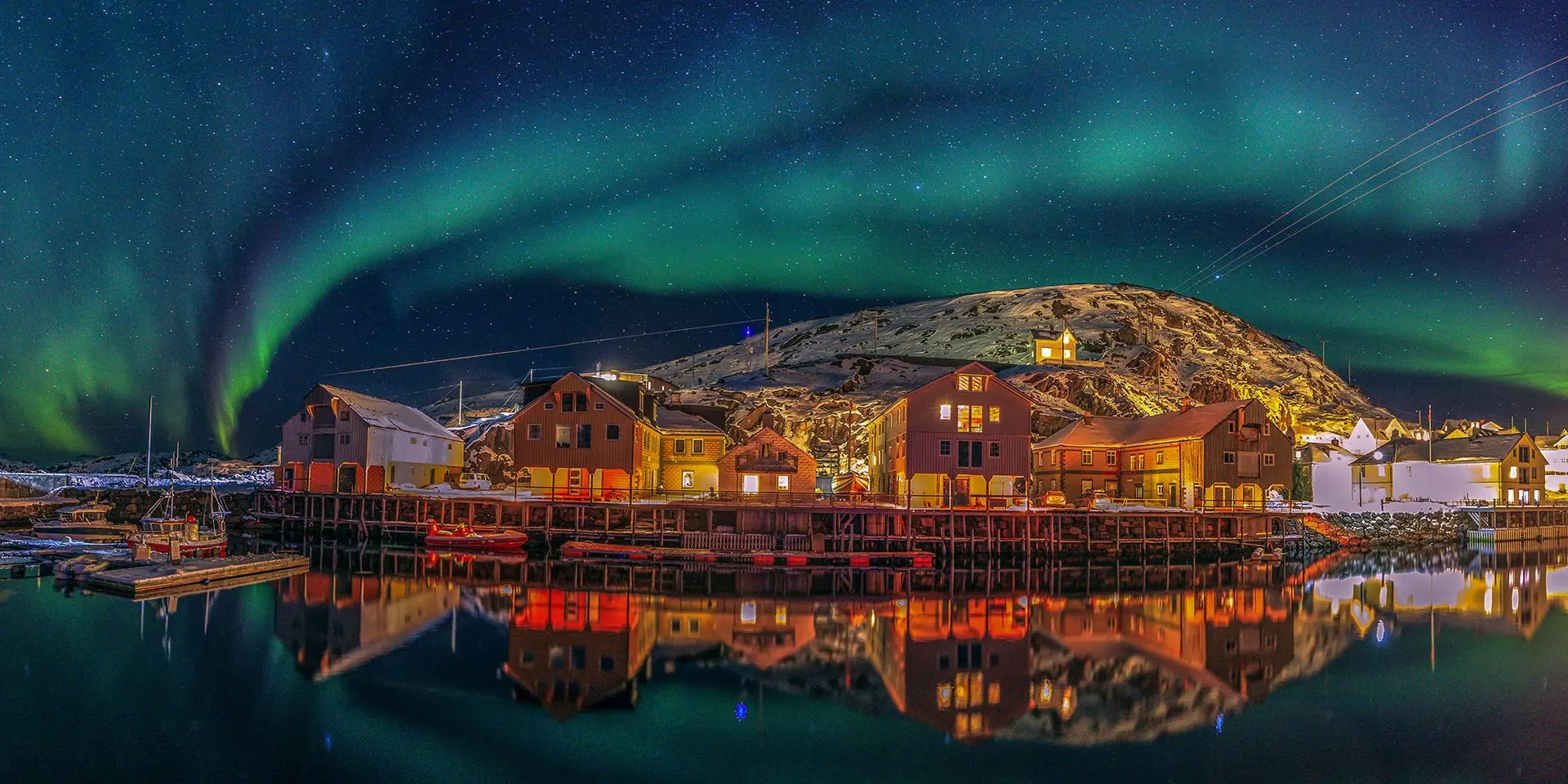
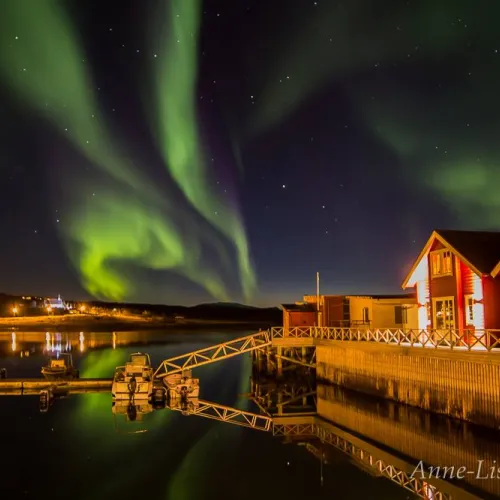
The Northern Lights, also known as the Aurora Borealis, are one of the most breathtaking natural phenomena on Earth. Every year, thousands of travelers visit Norway hoping to witness colorful waves of green, purple, pink, and blue dancing across the night sky. Norway is considered one of the best destinations in the world for viewing the Northern Lights due to its location within the Arctic Circle, stunning landscapes, and well-developed tourism infrastructure.
If you’re planning a trip and wondering about the best time to see Northern Lights in Norway, this guide will help you understand when to go, where to go, what conditions are needed, and how to maximize your chances of experiencing this magical spectacle.
What Are the Northern Lights?
The Northern Lights occur when charged particles from the sun collide with gases in Earth’s atmosphere. These collisions produce beautiful glowing lights that appear in the sky.
The colors vary depending on the type of gas involved:
- Green is the most common color.
- Purple and pink appear at higher altitudes.
- Red is rarer and often visible during strong solar activity.
- Blue can sometimes appear in intense auroras.
Norway’s northern regions lie directly beneath the auroral oval, making it one of the most reliable places on Earth to see this phenomenon.
Best Time to See Northern Lights in Norway
The best time to see Northern Lights in Norway is between late September and late March.
During these months, the nights are long and dark enough to observe auroras. While the Northern Lights are active throughout the year, they can only be seen when the sky is dark.
Peak Northern Lights Season
The most popular months are:
- October
- November
- December
- January
- February
- March
These months provide excellent opportunities due to long nights and frequent auroral activity.
Why Winter Is the Best Season
Winter offers ideal conditions for Northern Lights viewing because:
Long Hours of Darkness
Northern Norway experiences extremely short daylight hours during winter.
In some areas above the Arctic Circle, the sun doesn’t rise for weeks during the Polar Night.
This means more time to search for auroras.
Clear Arctic Skies
Cold weather often brings clearer skies, especially inland where cloud cover is less frequent.
Snow-Covered Landscapes
Snow reflects aurora colors beautifully, creating stunning scenery and unforgettable photographs.
Northern Lights in September
September marks the beginning of the aurora season.
Advantages
- Milder temperatures
- Less crowded destinations
- Beautiful autumn colors
- Comfortable outdoor conditions
Average Temperature
Temperatures typically range from 5°C to 12°C depending on location.
Why Visit in September?
September is ideal for travelers who prefer avoiding harsh winter conditions while still having a good chance of seeing auroras.
Northern Lights in October
October is considered one of the best months for aurora hunting.
Benefits
- Longer nights
- Increasing solar visibility
- Pleasant temperatures
- Fewer tourists than winter holidays
Many photographers love October because lakes often remain unfrozen, allowing stunning reflections of the aurora.
Northern Lights in November
November brings darker skies and increased viewing opportunities.
What to Expect
- Longer nights
- Growing snowfall
- Better aurora visibility
- Fewer daylight hours
Cloudy weather can occasionally affect viewing conditions, but successful sightings remain common.
Northern Lights in December
December is magical in Norway.
Why December Is Popular
- Christmas atmosphere
- Snow-covered landscapes
- Polar Night in northern regions
- Frequent aurora sightings
The combination of festive decorations and Northern Lights creates an unforgettable winter experience.
Northern Lights in January
January offers some of the darkest nights of the year.
Benefits
- Excellent darkness
- Strong aurora opportunities
- Deep winter scenery
Challenges
Temperatures can be very cold, especially inland.
Despite the cold, many travelers consider January one of the most rewarding months.
Northern Lights in February
February is often considered the sweet spot.
Advantages
- Longer daylight for activities
- Excellent aurora visibility
- Improved weather conditions
- Plenty of snow
Many Northern Lights tours operate at full capacity during February.
Northern Lights in March
March is another excellent month for viewing auroras.
Reasons to Visit
- More stable weather
- Longer daylight hours
- Comfortable travel conditions
- Strong auroral activity
Some experts believe March provides some of the clearest skies of the entire season.
Can You See Northern Lights in Summer?
Technically, yes.
The Northern Lights continue occurring throughout summer, but they are not visible because of the Midnight Sun.
From May through August, northern Norway experiences nearly continuous daylight.
Without darkness, auroras cannot be seen by the human eye.
Best Places to See Northern Lights in Norway
Tromsø
Tromsø is often called the “Gateway to the Arctic.”
Why Tromsø Is Popular
- Excellent aurora location
- Easy access
- Many guided tours
- Hotels and restaurants
- Airport connections
Tromsø is one of the world’s most famous Northern Lights destinations.
Alta
Alta is known as the “City of the Northern Lights.”
Highlights
- Dry climate
- Clear skies
- Strong aurora visibility
- Arctic wilderness
Alta has a long history of aurora research.
Lofoten Islands
Lofoten Islands combines dramatic landscapes with excellent aurora viewing.
Attractions
- Mountains
- Beaches
- Fishing villages
- Photography opportunities
The scenery alone makes Lofoten worth visiting.
Senja
Senja is often considered a quieter alternative to Tromsø.
Why Choose Senja?
- Fewer tourists
- Spectacular scenery
- Strong Northern Lights visibility
Kirkenes
Kirkenes lies near Norway’s border with Russia and Finland.
Advantages
- Cold, dry climate
- High aurora frequency
- Unique Arctic experiences

Best Time of Night to See Northern Lights
The Northern Lights can appear anytime during darkness.
However, the most active period is generally:
9 PM to 2 AM
Many experts recommend staying outside during these hours.
Peak activity often occurs around midnight.
Weather Conditions Needed for Northern Lights
Even during peak season, visibility depends on weather.
Ideal conditions include:
- Clear skies
- Minimal cloud cover
- Dark surroundings
- Strong solar activity
Clouds are often the biggest obstacle.
Understanding the Aurora Forecast
Before heading out, check aurora forecasts.
Forecasts usually include:
KP Index
The KP Index measures geomagnetic activity.
- KP 0–2 = Low activity
- KP 3–4 = Moderate activity
- KP 5+ = Strong activity
Northern Norway often sees auroras even at lower KP levels because it sits directly beneath the auroral zone.
How Many Days Should You Stay?
Experts generally recommend staying:
4 to 7 Nights
This improves your chances significantly.
Weather conditions can vary daily, so longer stays increase success rates.
What to Wear During Aurora Hunting
Winter temperatures in northern Norway can be extremely cold.
Essential clothing includes:
- Thermal base layers
- Insulated jacket
- Waterproof outer layer
- Warm gloves
- Wool socks
- Winter boots
- Hat and scarf
Layering is key to staying comfortable.
Northern Lights Photography Tips
Capturing auroras requires special techniques.
Camera Settings
- Use a tripod
- Shoot in manual mode
- Wide aperture
- ISO 800–3200
- Long exposure
Modern smartphones also offer night photography modes that can capture auroras surprisingly well.
Guided Tours vs Independent Viewing
Guided Tours
Advantages:
- Local expertise
- Transportation
- Weather monitoring
- Photography assistance
Independent Viewing
Advantages:
- Lower cost
- Flexible schedule
- Freedom to explore
Many first-time visitors prefer guided tours.

Other Activities to Enjoy in Norway
While waiting for the Northern Lights, visitors can enjoy:
Dog Sledding
A classic Arctic adventure through snowy landscapes.
Snowmobiling
Explore remote wilderness areas.
Whale Watching
Popular during winter in northern Norway.
Sami Cultural Experiences
Learn about the traditions of the Indigenous Sami people.
Reindeer Sledding
A memorable Arctic activity for families and couples.
Common Myths About Northern Lights
Myth 1: You Need Extreme Solar Storms
False.
Northern Norway frequently experiences visible auroras even during moderate solar activity.
Myth 2: Auroras Appear Every Night
False.
Weather and solar conditions affect visibility.
Myth 3: They Always Look Bright Green
False.
Colors vary depending on atmospheric conditions and solar intensity.
Costs of a Northern Lights Trip
Average expenses include:
Flights
Prices vary depending on departure location and season.
Accommodation
- Budget hotels
- Mid-range hotels
- Luxury Arctic lodges
Tours
Northern Lights tours generally range from affordable group trips to premium private experiences.
Booking early often secures better prices.
Why Norway Is One of the Best Countries for Aurora Viewing
Norway stands out because of:
- Easy accessibility
- Strong tourism infrastructure
- Multiple aurora hotspots
- Stunning landscapes
- High success rates
Few destinations combine natural beauty and convenience as effectively as Norway.
Sample 5-Day Northern Lights Itinerary
Day 1
- Arrive in Tromsø
- Explore the city
Frequently Asked Questions
What is the absolute best month to see Northern Lights in Norway?
February and March are often considered the best months due to a combination of strong auroral activity and favorable weather.
Can I see Northern Lights in Tromsø?
Yes. Tromsø is one of the most reliable locations in the world for aurora viewing.
How long do Northern Lights last?
Displays can last from a few minutes to several hours.
Are Northern Lights guaranteed?
No. Weather and solar activity influence visibility.
Can children enjoy Northern Lights trips?
Absolutely. Many tours are family-friendly.
Is Norway expensive?
Norway can be costly, but careful planning and early bookings help reduce expenses.
Can smartphones capture Northern Lights?
Yes. Many modern smartphones feature night modes capable of photographing auroras.
READ MORE:
Conclusion
The best time to see Northern Lights in Norway is from late September through late March, with February and March often offering the ideal combination of dark skies, stable weather, and strong auroral activity. Whether you choose Tromsø, Alta, Lofoten, Senja, or Kirkenes, Norway provides some of the world’s finest opportunities to witness the magical Aurora Borealis.
Planning a stay of several nights, monitoring weather forecasts, dressing warmly, and choosing locations with minimal light pollution will greatly improve your chances of success. With its Arctic landscapes, winter adventures, and incredible night skies, Norway delivers an unforgettable Northern Lights experience that belongs on every travel lover’s bucket list.