Best Month to See Northern Lights in Iceland
Introduction
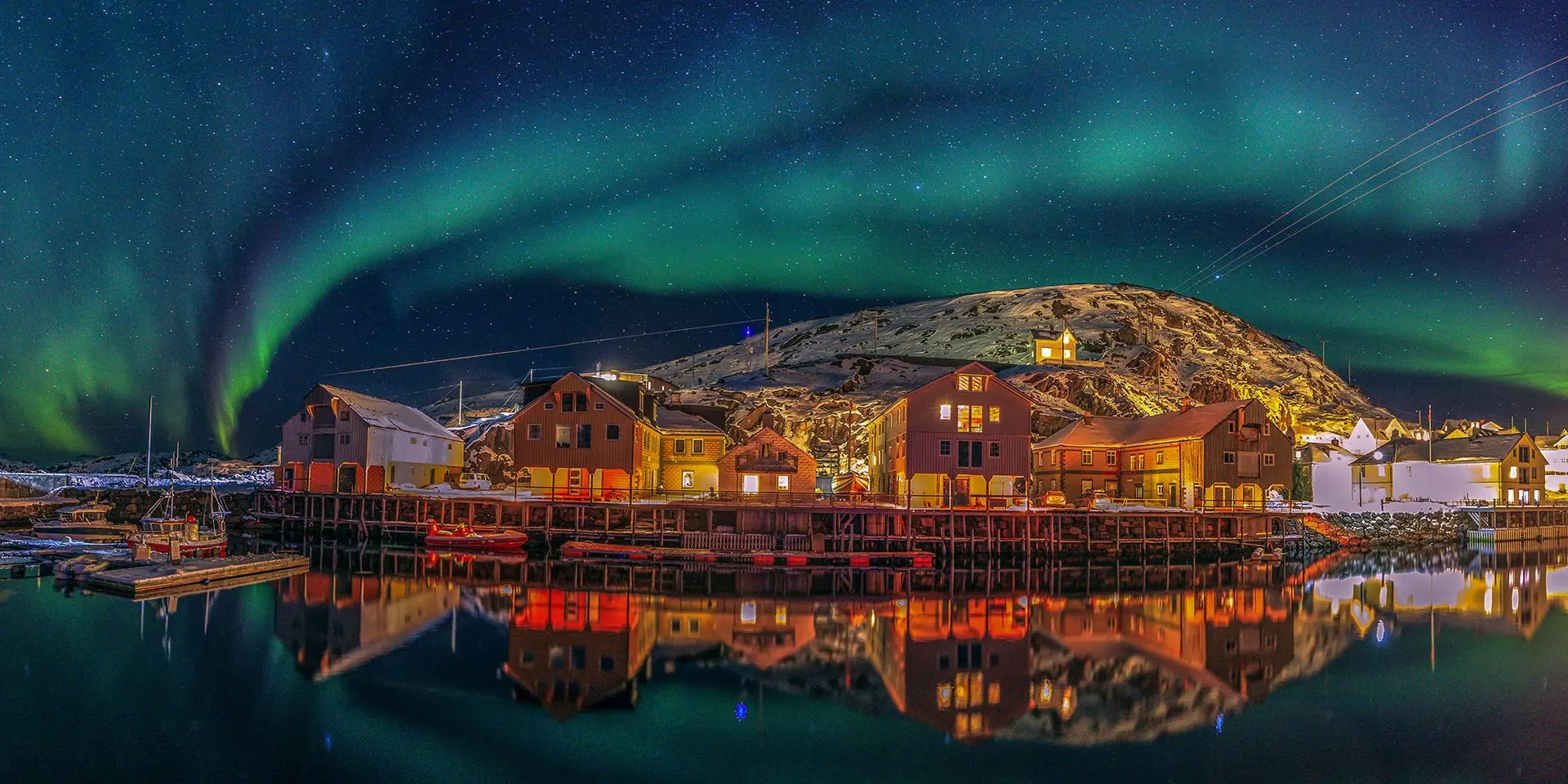
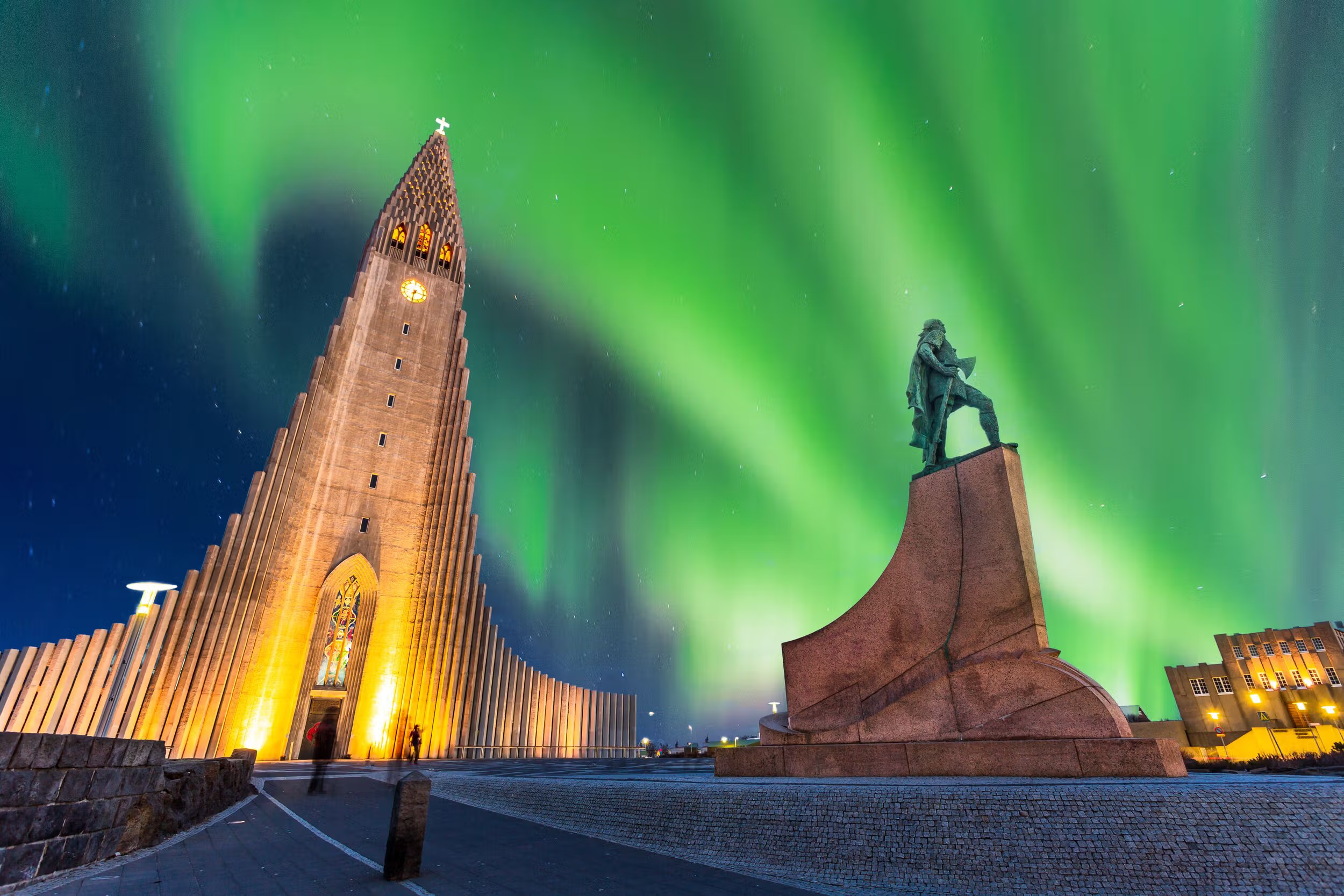
The Northern Lights, also known as the Aurora Borealis, are one of the most spectacular natural phenomena on Earth. Dancing ribbons of green, pink, purple, and white light illuminate the night sky, creating an unforgettable experience for travelers. Among the many destinations where this magical display can be seen, Iceland stands out as one of the most popular and accessible locations.
Every year, thousands of visitors travel to Iceland hoping to witness this breathtaking phenomenon. However, many travelers ask the same question: What is the best month to see Northern Lights in Iceland? While the aurora can be visible during several months of the year, some months offer significantly better viewing conditions than others.
Understanding the best time to visit can make the difference between seeing a faint glow and witnessing a vibrant light show across the sky. Factors such as darkness, weather conditions, cloud cover, solar activity, and daylight hours all influence your chances of success.
In this guide, we’ll explore the best month to see Northern Lights in Iceland, compare different seasons, discuss the top viewing locations, and provide practical tips to maximize your chances of seeing this incredible natural wonder.
Why Iceland Is One of the Best Places to See the Northern Lights
Iceland’s location near the Arctic Circle makes it one of the world’s premier destinations for aurora viewing. Several factors contribute to its popularity among Northern Lights enthusiasts.
Ideal Geographic Position
Iceland sits directly beneath the auroral oval, a ring-shaped area around the Earth’s magnetic poles where auroral activity is most frequent. This location provides excellent opportunities to see the Northern Lights throughout the viewing season.
Dark Winter Nights
From September through April, Iceland experiences long periods of darkness. The extended nighttime hours significantly increase the chances of observing auroral activity.
Easy Accessibility
Unlike some remote Arctic destinations, Iceland is relatively easy to reach from Europe and North America. Visitors can arrive in Reykjavik and begin their Northern Lights adventure almost immediately.
Stunning Landscapes
Watching the Northern Lights above glaciers, waterfalls, volcanoes, black sand beaches, and snow-covered mountains creates an extraordinary visual experience that few destinations can match.
Understanding the Northern Lights
Before discussing the best month to see Northern Lights in Iceland, it’s important to understand what causes this phenomenon.
The Northern Lights occur when charged particles from the sun collide with gases in Earth’s atmosphere. These collisions release energy in the form of light, producing colorful displays in the sky.
Several factors affect visibility:
- Solar activity
- Weather conditions
- Cloud cover
- Darkness levels
- Light pollution
Even during months with high aurora activity, cloudy skies can prevent sightings. Therefore, timing and flexibility are essential.
Northern Lights Season in Iceland
The Northern Lights season in Iceland generally runs from:
September to April
During these months, nights are dark enough for aurora viewing. Summer months experience nearly continuous daylight, making Northern Lights observation impossible.
Let’s examine each month individually.
September: A Great Start to the Season
September marks the beginning of Iceland’s aurora season.
Advantages
- Milder temperatures
- Longer daylight for sightseeing
- Lower snowfall levels
- Beautiful autumn colors
- Less severe weather conditions
Challenges
- Nights are still relatively short
- Weather can be unpredictable
September provides a good balance between comfortable travel conditions and Northern Lights opportunities.
Aurora Viewing Potential
Good, especially in the second half of the month when darkness increases.
October: Increasing Darkness and Strong Opportunities
October is often overlooked but can be an excellent month for Northern Lights viewing.
Benefits
- Longer nights
- Increased darkness
- Moderate tourist crowds
- Pleasant travel conditions
Weather Conditions
October weather becomes cooler, but conditions are often manageable for outdoor excursions.
Viewing Chances
High. The combination of darkness and relatively stable weather makes October one of the stronger months for aurora hunting.
November: Dark Skies Return
November brings significantly longer nights.
Why November Is Popular
- Extensive darkness
- Frequent aurora opportunities
- Fewer tourists than peak winter
Potential Drawbacks
- Increased cloud cover
- Colder temperatures
- More frequent storms
Despite weather challenges, November offers excellent Northern Lights potential.
December: Magical Winter Atmosphere
December transforms Iceland into a winter wonderland.
Advantages
- Very long nights
- Holiday atmosphere
- Snow-covered landscapes
- Plenty of viewing opportunities
Challenges
- High tourist demand
- Short daylight hours
- Unpredictable weather
Many visitors love December because the snowy scenery enhances Northern Lights photography.
Is December the Best Month?
It is certainly among the strongest contenders, although weather can sometimes limit visibility.
January: Peak Winter Conditions
January is often considered one of the prime months for Northern Lights viewing.
Benefits
- Maximum darkness
- Frequent aurora activity
- Stunning winter scenery
Weather Considerations
January can be harsh, with:
- Snowstorms
- Strong winds
- Ice-covered roads
However, experienced travelers often accept these conditions because the viewing potential is excellent.
February: One of the Best Months to See Northern Lights in Iceland
Many experts consider February among the very best months for aurora viewing.
Why February Stands Out
Several factors work in its favor:
- Long nights
- Improving weather
- Snow-covered landscapes
- Increasing daylight for sightseeing
Better Balance
Unlike December and January, February often provides a better balance between darkness and weather conditions.
Photography Advantages
Photographers love February because snow reflects light beautifully, enhancing compositions.
Viewing Success Rate
Very high, making February a top choice for Northern Lights enthusiasts.
March: Often Considered the Best Month
If someone asks, “What is the best month to see Northern Lights in Iceland?” many local guides answer: March.
Why March Is Exceptional
March combines several advantages:
- Long dark nights
- More stable weather
- Increased daylight for daytime activities
- Comfortable travel conditions
Spring Equinox Effect
Auroral activity often increases around the spring equinox due to geomagnetic conditions.
Excellent Travel Experience
March allows visitors to enjoy both winter landscapes and longer daylight hours.
For many travelers, March offers the perfect balance of darkness, weather, accessibility, and sightseeing opportunities.
April: Final Opportunity Before Summer
April marks the end of the primary aurora season.
Benefits
- Milder temperatures
- Longer daylight
- Fewer winter storms
Challenges
- Shorter nights
- Reduced darkness
Northern Lights can still be visible, particularly during the first half of the month.
Viewing Potential
Moderate to good, depending on weather and solar activity.
So, What Is the Best Month to See Northern Lights in Iceland?
While auroras can appear anytime between September and April, the strongest candidates are:
- March
- February
- October
- November
- January
Among these, March is often regarded as the best month to see Northern Lights in Iceland because it offers an ideal combination of darkness, weather stability, accessibility, and sightseeing opportunities.
Travelers seeking the highest overall success rate frequently choose February or March for their Iceland adventure.
Comparing the Best Months
| Month | Darkness | Weather | Viewing Potential |
|---|---|---|---|
| September | Moderate | Good | Good |
| October | High | Good | Very Good |
| November | Very High | Fair | Excellent |
| December | Excellent | Fair | Excellent |
| January | Excellent | Fair | Excellent |
| February | Excellent | Good | Outstanding |
| March | Excellent | Very Good | Outstanding |
| April | Moderate | Good | Good |
Best Places in Iceland to See the Northern Lights
Choosing the right location can dramatically improve your experience.
Thingvellir National Park
Located away from city lights, Thingvellir offers excellent dark-sky conditions and beautiful landscapes.
Jökulsárlón Glacier Lagoon
This famous glacier lagoon provides one of Iceland’s most stunning aurora photography locations.
Vik
The black sand beaches surrounding Vik create dramatic foregrounds for Northern Lights images.
Snæfellsnes Peninsula
Often called “Iceland in Miniature,” this region offers mountains, coastlines, and excellent dark skies.
Akureyri
Northern Iceland often experiences clearer skies than southern regions, making Akureyri a strong choice for aurora viewing.
Best Places in Iceland to See the Northern Lights
Choosing the right location is just as important as choosing the right month. The farther you get from city lights, the better your chances of witnessing a spectacular aurora display.
1. Thingvellir National Park
Located only about 45 minutes from Reykjavik, Thingvellir National Park is one of Iceland’s most popular Northern Lights destinations.
Why visit?
- Very little light pollution
- Easy access from Reykjavik
- Beautiful lakes and lava fields
- UNESCO World Heritage Site
Its open landscapes provide excellent visibility across the night sky.
2. Jökulsárlón Glacier Lagoon
Jökulsárlón is considered one of the most photogenic places in Iceland.
Imagine green auroras dancing above floating icebergs while their reflections shimmer on calm water.
Highlights include:
- Crystal-clear reflections
- Ice Diamond Beach nearby
- Incredible photography opportunities
- Peaceful atmosphere
Many photographers consider this location one of the world’s best places to capture the Northern Lights.
3. Vík
The charming village of Vík sits along Iceland’s south coast and offers dramatic scenery.
Visitors enjoy:
- Black sand beaches
- Sea stacks
- Ocean reflections
- Low light pollution
Seeing the aurora above the famous Reynisdrangar sea stacks creates unforgettable memories.
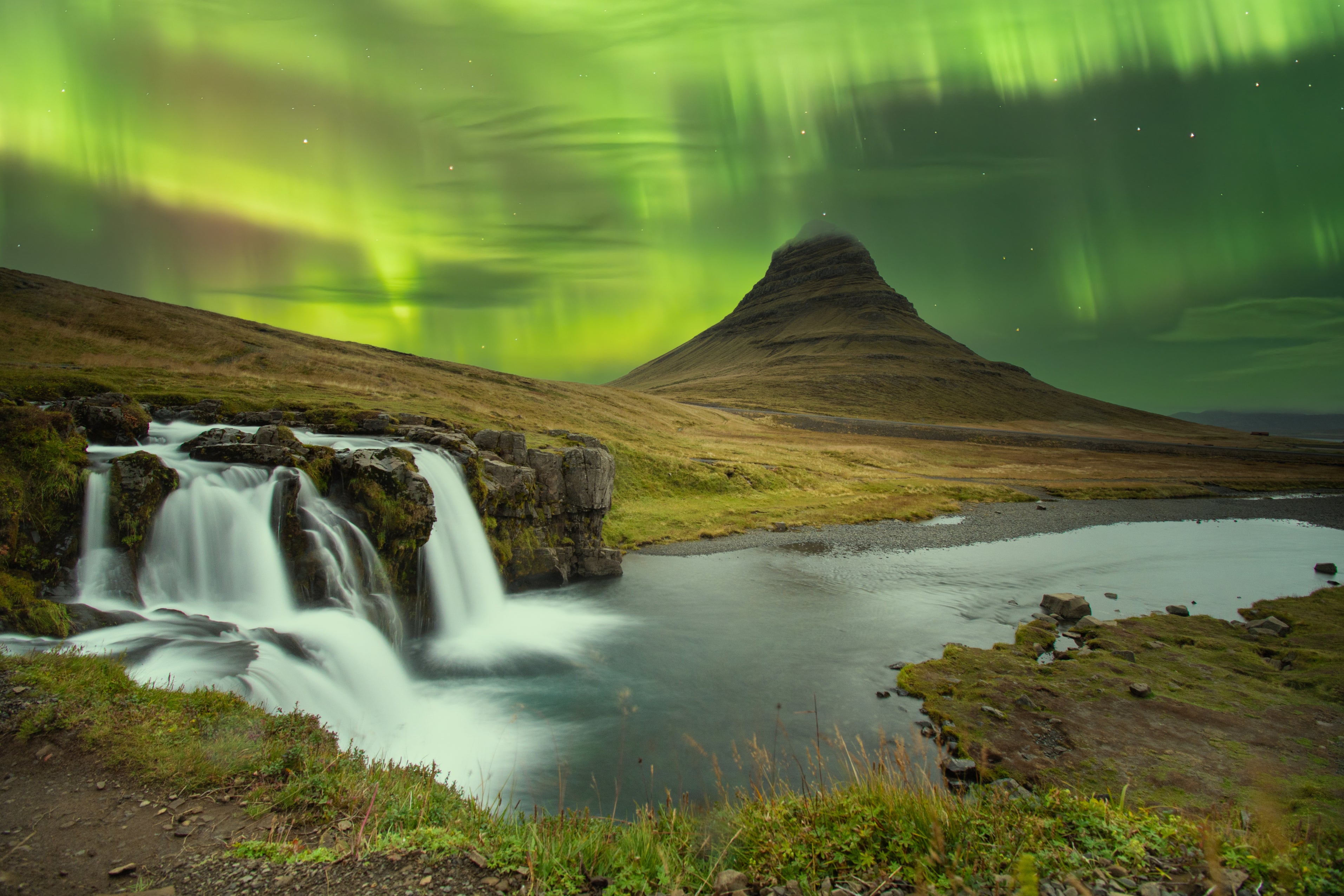
4. Snæfellsnes Peninsula
Often called “Iceland in Miniature,” this peninsula features nearly every landscape Iceland has to offer.
Reasons to visit include:
- Mountains
- Lava fields
- Waterfalls
- Coastal cliffs
- Excellent dark skies
Kirkjufell Mountain is one of Iceland’s most photographed landmarks and becomes even more magical under colorful auroras.
5. Akureyri
Northern Iceland often enjoys clearer winter skies than the south.
Akureyri offers:
- Less rainfall
- Strong aurora activity
- Easy road access
- Nearby mountain viewpoints
It’s an excellent choice if southern Iceland experiences cloudy weather.
Reykjavik vs Rural Iceland
Many travelers wonder if they can see the Northern Lights without leaving Reykjavik.
The answer is yes—but your chances improve significantly outside the city.
Reykjavik
Pros:
- Easy transportation
- Comfortable hotels
- Guided tours available
Cons:
- Light pollution
- Fainter auroras
- More clouds due to coastal weather
Rural Iceland
Pros:
- Much darker skies
- Stronger visibility
- Better photographs
- Less artificial light
Cons:
- Requires driving
- Cold temperatures
- Weather can change rapidly
If possible, spend at least one or two nights outside Reykjavik.
How to Increase Your Chances of Seeing the Northern Lights
Even during the best month to see Northern Lights in Iceland, nothing is guaranteed.
Here are some expert tips.
Check the Aurora Forecast
The Icelandic Meteorological Office provides daily aurora forecasts.
Look for:
- Aurora activity level
- Cloud cover
- Weather updates
A strong solar forecast means little if clouds hide the sky.
Stay for Multiple Nights
Don’t plan on seeing the aurora during just one evening.
A stay of four to seven nights greatly improves your chances.
Escape City Lights
Drive at least 20–30 minutes away from bright towns whenever possible.
Dark skies make even weaker auroras much easier to see.
Be Patient
Northern Lights often appear unexpectedly.
Sometimes you’ll wait an hour.
Sometimes three hours.
Patience is one of the biggest keys to success.
Press Warmly
Standing outside at night can become extremely cold.
Wear:
- Thermal base layers
- Insulated jacket
- Waterproof boots
- Gloves
- Wool socks
- Warm hat
Comfort helps you enjoy the experience longer.
Northern Lights Photography Tips
Photographing auroras isn’t as difficult as many people think.
Bring a Tripod
A tripod keeps your camera perfectly still during long exposures.
Without one, photos often become blurry.
Use Manual Settings
Recommended starting settings:
- ISO 800–3200
- Aperture f/2.8
- Exposure 5–15 seconds
- Manual focus on infinity
Adjust according to aurora brightness.
Shoot in RAW
RAW files preserve more image detail.
They allow better editing afterward.
Carry Extra Batteries
Cold temperatures drain batteries quickly.
Keep spare batteries inside your jacket to keep them warm.

Guided Tours vs Self-Driving
Both options have advantages.
Guided Tours
Benefits include:
- Professional guides
- Local weather knowledge
- Comfortable transportation
- No driving stress
Tour companies often move to clearer skies if weather changes.
Self-Driving
Advantages:
- Complete flexibility
- More privacy
- Better photography opportunities
- Explore multiple locations
Winter driving requires confidence because roads can become icy.
Common Mistakes Travelers Make
Avoid these common errors.
Visiting During Summer
The midnight sun makes Northern Lights impossible to see from May through early August.
Expecting Bright Colors Every Night
Some auroras appear as soft gray or white light before cameras reveal vivid greens and reds.
Not every display fills the sky.
Ignoring Cloud Forecasts
Many travelers focus only on aurora forecasts.
Cloud cover is often more important.
Giving Up Too Early
Many displays begin after midnight.
Stay patient.
Wearing the Wrong Clothing
Being cold often cuts aurora hunting short.
Dress for several hours outdoors.
Sample 5-Day Northern Lights Itinerary
Day 1
- Arrive in Reykjavik
- Explore downtown
- Evening aurora tour
Day 2
Golden Circle
- Thingvellir
- Geysir
- Gullfoss
Night aurora viewing.
Day 3
South Coast
- Seljalandsfoss
- Skógafoss
- Vík
Evening Northern Lights.
Day 4
Jökulsárlón Glacier Lagoon
Spend the evening photographing auroras over the icebergs.
Day 5
Return to Reykjavik.
Use your final evening for another aurora hunt if conditions are favorable.
Frequently Asked Questions
What is the best month to see Northern Lights in Iceland?
September and October offer mild weather, while February and March provide longer daylight, stable conditions, and excellent aurora activity. Many travelers consider March the overall best month because of its balance of clear skies and increased opportunities.
Can you see the Northern Lights every night?
No.
Auroras depend on:
- Solar activity
- Weather
- Cloud cover
- Darkness
Even during peak season, sightings are never guaranteed.
Are Northern Lights visible from Reykjavik?
Yes.
However, light pollution makes them less impressive than in rural areas.
How many days should I stay?
A stay of 4–7 nights provides much better odds of witnessing the aurora.
Is Iceland or Norway better?
Both countries offer excellent aurora experiences.
Iceland combines glaciers, waterfalls, volcanoes, black sand beaches, and dramatic coastlines, creating unique landscapes for viewing and photography. Norway often experiences more stable winter weather and offers famous destinations such as Tromsø and the Lofoten Islands.
What time do the Northern Lights appear?
They are most commonly seen between 9:00 PM and 2:00 AM, although activity can occur anytime during dark hours.
Do I need expensive camera equipment?
No.
Modern smartphones with Night Mode can capture decent aurora photos, though a DSLR or mirrorless camera with a tripod generally produces the best results.
READ MORE:
Final Thoughts
Choosing the best month to see Northern Lights in Iceland can make a significant difference to your trip. While the aurora season stretches from late August to mid-April, September, October, February, and March consistently provide the strongest combination of darkness, weather, and viewing opportunities.
If you want the best overall balance, March is often the top choice. It offers longer daylight for sightseeing, relatively stable weather, and plenty of dark hours for aurora hunting. Travelers who prefer milder temperatures and beautiful autumn colors may find September or October equally rewarding.
No matter when you visit during the season, remember that the Northern Lights are a natural phenomenon. Patience, flexibility, dark skies, and favorable weather are just as important as the month you choose.
With thoughtful planning, warm clothing, and a willingness to explore Iceland after sunset, you’ll maximize your chances of witnessing one of nature’s most unforgettable displays. Whether you’re watching green ribbons dance above glaciers, waterfalls, or volcanic landscapes, the experience is sure to become a highlight of your journey.