

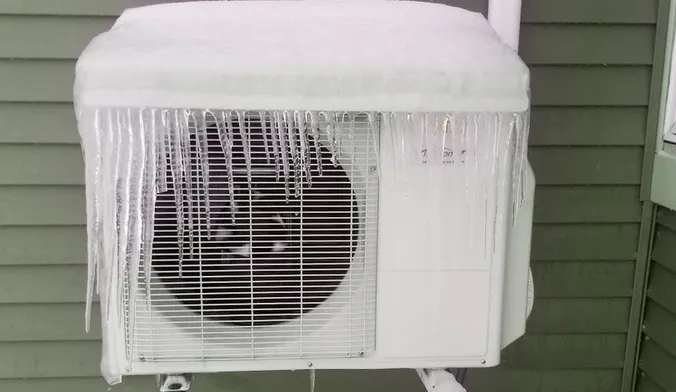
Heat pump technology is rapidly transforming the global heating and cooling industry. As governments push for cleaner energy, homeowners look to cut energy bills, and businesses aim to reduce carbon emissions, heat pumps are becoming a central solution. This article brings you the latest heat pump news, industry updates, technology breakthroughs, market trends, costs, incentives, and what the future holds.
Whether you are a homeowner, installer, investor, or energy professional, understanding the current heat pump landscape is essential in 2025 and beyond.
What Is a Heat Pump and Why Is It in the News?
A heat pump is an energy-efficient system that transfers heat from one place to another rather than generating heat by burning fuel. It can provide both heating and cooling, making it a versatile year-round solution.
Heat pumps are dominating energy headlines because they:
Reduce carbon emissions by up to 75%
Cut long-term heating costs
Support global net-zero climate targets
Replace gas boilers and oil heating systems
Work with renewable electricity like solar and wind
With energy prices fluctuating worldwide, heat pumps are now seen as a long-term, sustainable heating solution.
Heat Pump News: Latest Technology Developments
Smarter and More Efficient Heat Pumps
One of the biggest stories in recent heat pump news is the improvement in efficiency. Modern heat pumps now perform well even in cold climates, thanks to advancements in compressor technology and refrigerants.
Key innovations include:
Variable-speed compressors for precise temperature control
Smart sensors that adapt to weather conditions
Advanced defrost systems for winter performance
AI-powered energy optimization
These improvements allow heat pumps to operate efficiently at temperatures as low as -25°C, making them viable even in northern regions.
New Low-Carbon Refrigerants
Environmental concerns about refrigerants have pushed manufacturers to adopt low-global-warming-potential (GWP) alternatives. New refrigerants like R290 (propane) and R32 are now being widely used.
Benefits include:
Lower environmental impact
Improved efficiency
Compliance with new EU and global regulations
Better long-term sustainability
This shift is a major win for climate goals and is frequently highlighted in heat pump industry news.
Hybrid Heat Pump Systems
Hybrid heat pumps combine a heat pump with a traditional gas boiler. These systems automatically choose the most cost-effective energy source based on temperature and energy prices.
Why hybrids are gaining attention:
Ideal for older homes
Lower installation costs than full conversion
Reduced reliance on fossil fuels
Smooth transition to renewable heating
Hybrid systems are especially popular in the UK and Europe, where retrofitting older buildings remains a challenge.
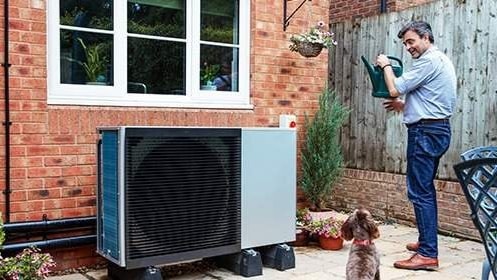
Government Policies and Incentives Driving Heat Pump Adoption
Global Push for Decarbonisation
Governments worldwide are introducing policies to reduce emissions from buildings, which account for nearly 40% of global energy use. Heating is one of the biggest contributors.
Heat pump news frequently highlights:
Gas boiler bans in new homes
Mandatory energy efficiency standards
Carbon taxes on fossil fuels
Electrification targets
These policies are accelerating the shift toward heat pump technology.
UK Heat Pump Incentives and Support
In the UK, heat pumps are a central part of the government’s decarbonisation strategy.
Key support measures include:
Boiler Upgrade Scheme (BUS)
Grants for air source and ground source heat pumps
Zero-VAT on heat pump installations
Local authority energy programs
These incentives reduce upfront costs and make heat pumps more accessible to homeowners.
EU and Global Subsidy Programs
Across Europe, countries such as Germany, France, and the Netherlands offer generous heat pump subsidies. In some cases, homeowners can receive up to 50% of installation costs.
Other regions making major investments:
United States (Inflation Reduction Act)
Canada (Greener Homes Grant)
Japan and South Korea
Nordic countries
This global momentum continues to dominate heat pump news headlines.
Heat Pumps vs Gas Boilers: The Ongoing Debate
Energy Efficiency Comparison
A major topic in heat pump news is how heat pumps compare to traditional gas boilers.
| System | Efficiency |
|---|---|
| Gas Boiler | 85–95% |
| Heat Pump | 300–500% |
Heat pumps deliver more energy than they consume because they move heat rather than create it.
Cost Comparison Over Time
While heat pumps have higher upfront costs, they often win in the long run due to:
Lower energy consumption
Reduced maintenance
Longer lifespan
Protection from fossil fuel price spikes
As electricity grids become greener, operating costs continue to fall.
Environmental Impact
Gas boilers rely on fossil fuels, producing direct emissions. Heat pumps run on electricity, which can be renewable.
Environmental advantages include:
Lower CO₂ emissions
No on-site combustion
Improved air quality
Support for net-zero goals
This is why many governments are phasing out gas heating systems.
Heat Pump Market Growth and Industry Trends
Rapid Global Market Expansion
The global heat pump market is growing at an unprecedented rate. Analysts predict the market will exceed $150 billion by 2030.
Key drivers include:
Rising energy prices
Climate regulations
Technological improvements
Consumer awareness
Urban electrification
Heat pump news consistently reports record sales across Europe and Asia.
Residential vs Commercial Heat Pump Adoption
While residential installations dominate, commercial and industrial heat pumps are also expanding rapidly.
Commercial applications include:
Office buildings
Hotels
Hospitals
Schools
Industrial processes
Large-scale heat pumps are now being used for district heating and industrial waste heat recovery.
Job Creation and Skills Demand
Another major story in heat pump news is employment growth. The industry is creating thousands of new jobs worldwide.
High-demand roles include:
Heat pump installers
HVAC engineers
Energy assessors
System designers
Maintenance technicians
Governments are investing in training programs to meet rising demand.
Heat Pump Installation Costs Explained
Average Installation Costs
Heat pump costs vary depending on system type, home size, and region.
Typical costs:
Air source heat pump: £6,000–£12,000
Ground source heat pump: £10,000–£25,000
Hybrid system: £5,000–£9,000
Government grants can significantly reduce these figures.
Factors That Affect Cost
Several factors influence installation cost:
Home insulation quality
Radiator or underfloor heating upgrades
Ground conditions (for ground source)
Electrical upgrades
System size and efficiency
A professional heat loss survey is essential before installation.
Maintenance and Lifespan
Heat pumps require minimal maintenance and typically last 15–25 years.
Maintenance benefits:
No flue cleaning
Fewer moving parts
Lower servicing costs
Reliable performance
This long lifespan improves return on investment.
Heat Pumps and Renewable Energy Integration
Solar Panels and Heat Pumps
One of the most exciting heat pump news trends is integration with solar energy.
Benefits include:
Reduced electricity bills
Increased self-consumption
Lower carbon footprint
Energy independence
Smart controllers allow heat pumps to operate when solar generation is highest.
Battery Storage and Smart Grids
Battery storage enhances heat pump performance by storing cheap or renewable electricity.
Smart grid integration allows:
Off-peak operation
Demand response participation
Grid stability
Lower operating costs
This makes heat pumps a key part of future energy systems.
Common Myths About Heat Pumps
“Heat Pumps Don’t Work in Cold Weather”
Modern heat pumps are designed for cold climates and work efficiently in freezing temperatures.
“Heat Pumps Are Too Expensive”
While upfront costs are higher, long-term savings and grants make them financially attractive.
“Heat Pumps Are Noisy”
New models are quieter than a refrigerator and meet strict noise regulations.
Challenges Facing the Heat Pump Industry
Despite strong growth, challenges remain:
Installer shortages
Grid capacity upgrades
Public awareness gaps
Initial installation costs
Retrofitting older buildings
Industry leaders are actively addressing these issues through innovation and training.
Future Outlook: What’s Next in Heat Pump News?
Continued Policy Support
Governments are expected to strengthen heat pump mandates and incentives.
Improved Technology
Future heat pumps will be:
Smaller and more powerful
Even more efficient
Fully smart-grid compatible
Easier to install
Mass Adoption
As costs fall and awareness grows, heat pumps are set to become the default heating system for new and existing buildings.
READ ABOUT:
apple watch se
Why Heat Pump News Matters More Than Ever
Heat pumps are no longer a niche technology. They are a core part of the global energy transition.
Staying updated with heat pump news helps:
Homeowners make informed decisions
Businesses plan sustainable investments
Installers stay competitive
Policymakers shape effective regulations
The momentum behind heat pumps shows no sign of slowing.
Conclusion: Heat Pumps Are Shaping the Future of Heating
Heat pump news reflects a broader shift toward cleaner, smarter, and more efficient energy solutions. With technological innovation, strong policy support, and growing consumer demand, heat pumps are set to dominate the heating market for decades to come.
For anyone interested in energy efficiency, sustainability, or reducing energy bills, heat pumps are no longer the future — they are the present.
Frequently Asked Questions (FAQ)
What is a heat pump?
A heat pump is an energy-efficient heating and cooling system that transfers heat from the air, ground, or water into a building instead of generating heat by burning fuel.
Why is heat pump news important right now?
Heat pump news is important because heat pumps are replacing gas boilers worldwide as governments push for low-carbon, energy-efficient heating to meet climate targets.
Are heat pumps better than gas boilers?
Yes, heat pumps are more energy efficient than gas boilers. They can be up to 4–5 times more efficient and produce far fewer carbon emissions.
Do heat pumps work in cold weather?
Modern heat pumps work efficiently even in very cold climates. New technology allows them to operate at temperatures as low as –25°C.
How much does a heat pump cost?
The average cost of a heat pump ranges from £6,000 to £12,000 for air source systems and £10,000 to £25,000 for ground source systems, before grants.
Are there government grants for heat pumps?
Yes, many countries offer government incentives and grants to reduce the cost of heat pump installation, including the UK, EU countries, the USA, and Canada.
Can a heat pump reduce energy bills?
Yes, heat pumps can significantly reduce energy bills over time due to their high efficiency, especially when combined with solar panels.
How long do heat pumps last?
Heat pumps typically last between 15 and 25 years with proper maintenance, making them a long-term heating investment.
Are heat pumps environmentally friendly?
Heat pumps are one of the most environmentally friendly heating systems available because they produce low emissions and can run on renewable electricity.
What types of heat pumps are available?
The main types are air source heat pumps, ground source heat pumps, and hybrid heat pump systems.