
Northern Lights Alaska Time of Year: Best Months, Seasons, and Travel Guide to See the Aurora Borealis
Introduction: Understanding the Northern Lights Alaska Time of Year
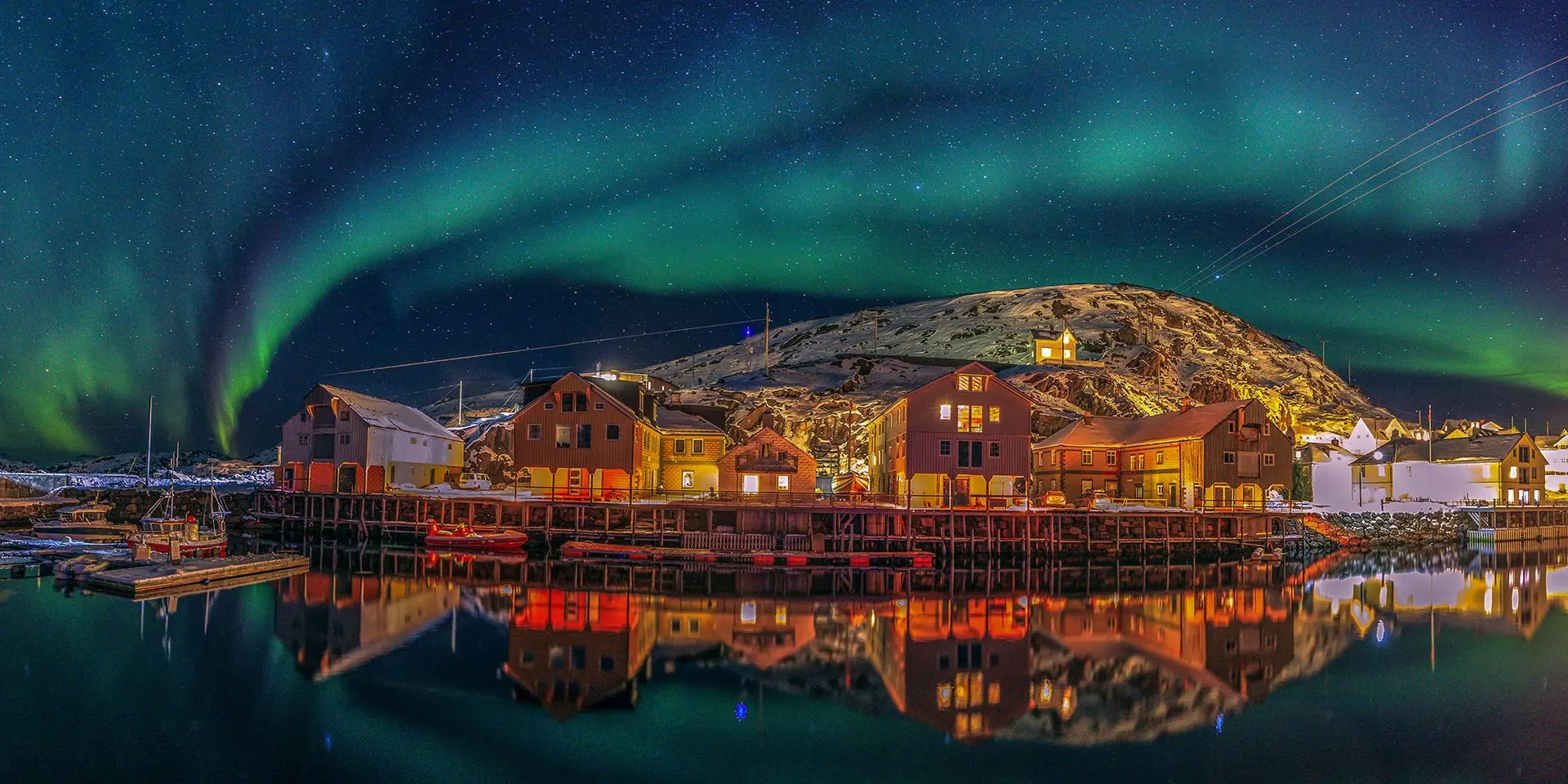
The northern lights Alaska time of year is one of the most important factors travelers consider when planning a trip to witness the magical Aurora Borealis. Alaska is one of the best destinations in the world for viewing this incredible natural phenomenon because it sits directly beneath the Earth’s auroral oval, a region where colorful lights frequently appear in the night sky.
Every year, thousands of visitors travel to Alaska hoping to see waves of green, purple, pink, and sometimes red light dancing above snowy mountains, forests, and frozen landscapes. However, choosing the right season can make a major difference in your chances of experiencing this unforgettable display.
The best time to see the northern lights in Alaska is generally from late August through mid-April, with the strongest viewing opportunities usually occurring between September and March. During these months, Alaska experiences long, dark nights that provide ideal conditions for aurora viewing.
Unlike many travel experiences that depend on daytime weather, the northern lights require darkness, clear skies, and solar activity. Understanding Alaska’s seasons, daylight hours, weather patterns, and location advantages can help you choose the perfect time for your aurora adventure.
What Are the Northern Lights?
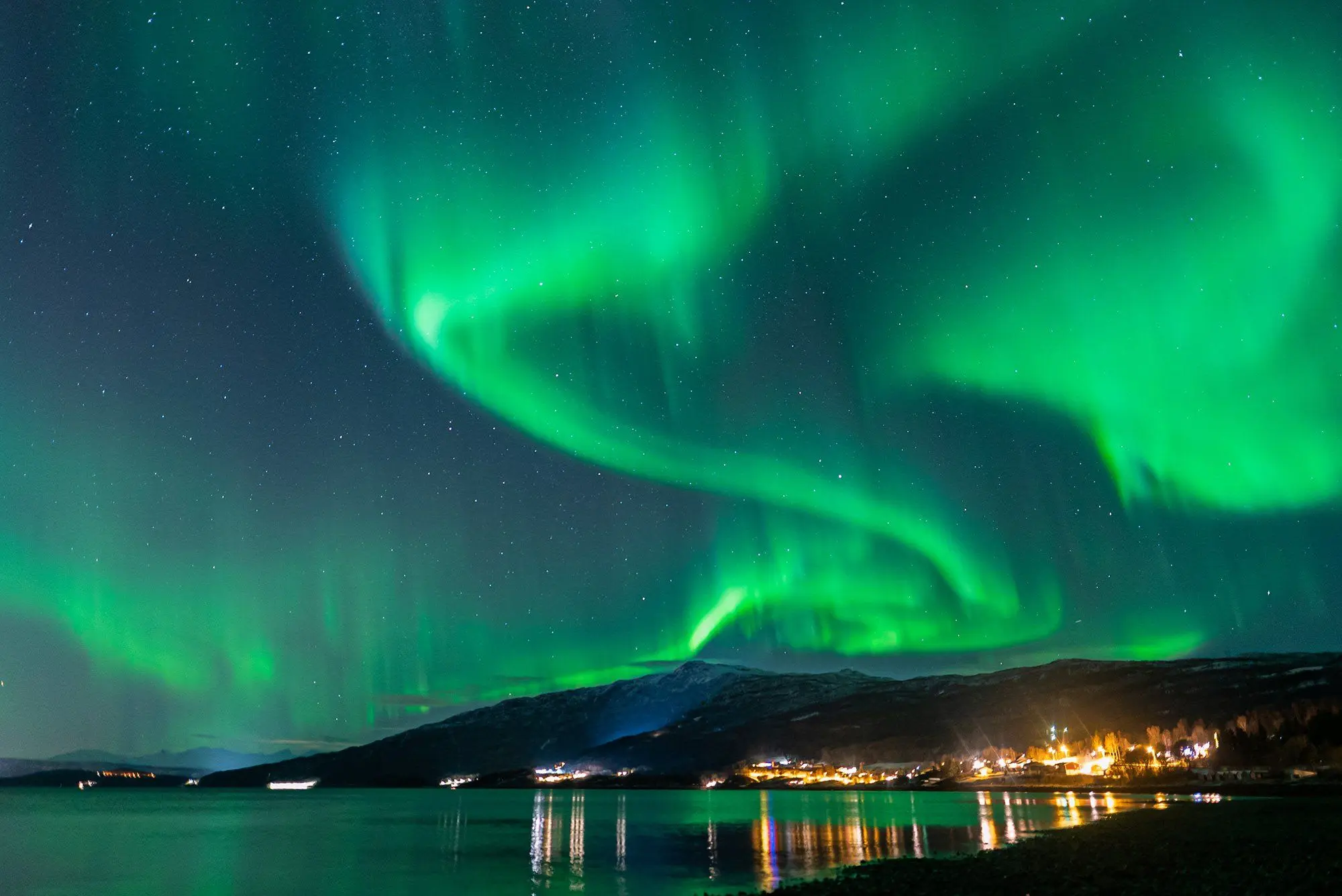
The northern lights, also known as the Aurora Borealis, are a natural light display caused by interactions between the sun and Earth’s atmosphere. The sun constantly releases charged particles called solar wind. When these particles reach Earth and interact with gases in the atmosphere, they create colorful glowing waves that appear in the night sky.
The most common northern lights color is green, which happens when solar particles interact with oxygen molecules at lower altitudes. Other colors may appear depending on atmospheric conditions:
- Green: The most common aurora color
- Pink and red: Usually caused by oxygen at higher altitudes
- Purple and blue: Created by nitrogen molecules
- Yellow and white: A mixture of different colors blending together
Alaska’s northern location makes it one of the best places on Earth to observe these lights. Cities such as Fairbanks, Anchorage, and remote Arctic communities offer excellent opportunities for aurora viewing.
Best Northern Lights Alaska Time of Year
Late August to September: The Beginning of Aurora Season
The northern lights season in Alaska usually begins in late August when nights become dark enough for viewing. During summer, Alaska experiences extremely long daylight hours, especially in northern areas, making aurora sightings nearly impossible.
By late August, darkness returns, creating better conditions.
September is considered one of the best months to visit Alaska for northern lights viewing because it offers a combination of:
- Longer nights
- Milder temperatures
- Fewer tourists
- Beautiful fall scenery
- Increased aurora activity around the equinox
The autumn equinox in September is often associated with increased geomagnetic activity, which can improve aurora visibility.
Travelers visiting during September may enjoy viewing the northern lights surrounded by colorful fall landscapes before winter arrives.
Advantages of September Aurora Viewing
- Comfortable temperatures compared with winter
- Easier road travel
- Beautiful autumn colors
- Less crowded attractions
- Good photography conditions
Things to Consider
September weather can be unpredictable. Clouds and rain may occasionally block visibility, so staying several nights increases your chances of seeing the lights.
October: A Great Month for Aurora Photography
October is another excellent month within the northern lights Alaska time of year. During this month, nights become longer, and temperatures remain manageable compared with the colder winter months.
Many photographers prefer October because Alaska’s landscapes still have visual variety. Snow may begin appearing in some areas, creating dramatic scenery without the extreme cold of January or February.
October offers:
- Longer dark hours
- More comfortable outdoor conditions
- Fewer crowds
- Great opportunities for photography
Visitors can combine aurora hunting with other Alaska activities, including wildlife viewing, hiking, and scenic drives.
However, some areas may experience increased cloud coverage during autumn, so choosing a location known for clear skies is important.
November: Entering the Winter Aurora Season
November marks the beginning of Alaska’s true winter atmosphere. Snow starts covering the landscape, creating a beautiful background for northern lights viewing.
During this month:
- Nights become very long
- The sky stays dark for extended periods
- Aurora viewing windows increase
Northern Alaska locations can experience darkness for most of the day, creating more opportunities to see the lights.
However, temperatures begin dropping significantly, especially in interior Alaska. Visitors should prepare with:
- Warm winter clothing
- Insulated boots
- Thermal layers
- Gloves and hats
- Weather-resistant equipment
November is ideal for travelers who want a quieter experience before the peak winter tourism period.
December: Northern Lights During Alaska’s Darkest Season
December is one of the most popular months for experiencing the northern lights Alaska time of year. The winter solstice occurs during December, bringing some of the longest nights of the year.
Long darkness provides more opportunities for aurora viewing. In places like Fairbanks, visitors may have many hours available each night to search for the lights.
December offers a true Arctic experience:
- Snow-covered forests
- Frozen landscapes
- Holiday atmosphere
- Long nights
- Winter activities
Travelers can combine northern lights tours with activities such as:
- Dog sledding
- Snowshoeing
- Ice fishing
- Hot spring visits
- Winter photography
The main challenge is the cold. Temperatures in interior Alaska can become extremely low, especially at night when aurora viewing is most likely.
January: One of the Best Months to See Alaska Northern Lights
January is often considered one of the best months for northern lights viewing in Alaska. The combination of long nights, snowy landscapes, and frequent clear conditions creates excellent opportunities.
Fairbanks is especially popular during January because it is located under the auroral oval and often experiences strong aurora activity.
Benefits of January travel include:
- Maximum darkness
- Excellent snow scenery
- Strong winter atmosphere
- Numerous guided aurora tours
The cold can be intense, but many tour companies provide heated viewing cabins, warm clothing rentals, and comfortable transportation.
For travelers focused mainly on seeing the northern lights, January is a highly recommended month.
February: A Perfect Balance of Weather and Aurora Activity
February is another top choice for an Alaska northern lights adventure. The weather begins becoming slightly more manageable while nights remain long enough for excellent viewing.
Many travelers choose February because it offers a balance between:
- Strong aurora visibility
- Winter scenery
- Better travel conditions
- Longer daylight for daytime activities
During February, visitors can enjoy outdoor adventures during the day and search for the northern lights at night.
Popular daytime activities include:
- Glacier tours
- Wildlife experiences
- Snow activities
- Cultural attractions
February is especially popular among photographers because the combination of snow, stars, and aurora creates stunning images.
March: Peak Season for Northern Lights Alaska Trips
March is widely considered one of the best months for seeing the northern lights in Alaska. Many experts recommend March because it combines excellent darkness with improving weather conditions.
The spring equinox in March can bring increased geomagnetic activity, potentially creating stronger aurora displays.
Reasons March is popular:
- Long enough nights
- More comfortable temperatures
- Higher visitor availability
- Excellent photography conditions
- Strong aurora possibilities
March is also a great month for travelers who want to experience Alaska without the extreme cold of midwinter.
Many northern lights tours operate throughout March, especially around Fairbanks.
April: The End of the Alaska Aurora Season
April represents the final part of the northern lights Alaska time of year. Early April can still provide opportunities, especially in northern regions where darkness remains sufficient.
However, as spring progresses, daylight hours increase quickly. By late April, nighttime darkness becomes limited, reducing the chances of seeing the aurora.
April visitors can enjoy:
- Warmer temperatures
- Spring scenery
- Fewer tourists
- Remaining winter activities
For the best chance during April, travelers should visit earlier in the month and choose locations farther north.
Best Places to See the Northern Lights in Alaska
Choosing the right location is just as important as choosing the right northern lights Alaska time of year. Alaska is a huge state with different climates, landscapes, and levels of aurora visibility. Some areas are located directly beneath the auroral oval, giving visitors better chances of seeing the lights.
The best locations combine dark skies, low light pollution, clear weather patterns, and easy access to viewing areas.
Fairbanks: The Best Overall Destination for Northern Lights Viewing

The city is popular because it offers a combination of accessibility, accommodations, tour options, and excellent viewing conditions.
The best time to visit Fairbanks for northern lights is usually:
- September through March
- Especially February and March
- Clear winter nights with low cloud coverage
Visitors can enjoy aurora viewing from several locations around Fairbanks, including remote lodges, wilderness areas, and dedicated viewing spots.
One popular experience is visiting Chena Hot Springs, where travelers can relax in warm mineral waters while watching the northern lights above the snowy landscape.
Why Fairbanks Is Popular
- Located beneath the auroral zone
- Many clear nights during winter
- Professional aurora tours available
- Easy access from the airport
- Excellent winter activities
For first-time visitors planning an Alaska northern lights trip, Fairbanks is often the easiest and most reliable choice.
Anchorage: A Convenient Option for Aurora Seekers

The biggest advantage of Anchorage is convenience.
Travelers can combine northern lights viewing with:
- Mountain scenery
- Wildlife experiences
- Cultural attractions
- Scenic drives
- Glacier adventures
The best months for Anchorage northern lights viewing are:
- Late September
- October
- February
- March
Because city lights can reduce visibility, visitors usually travel outside the city to darker areas.
Good viewing locations near Anchorage include remote areas away from urban lighting, where the sky is clearer and darker.
Denali National Park: Aurora Viewing With Incredible Scenery
Denali National Park and Preserve offers one of the most beautiful settings for northern lights viewing.
Imagine watching green aurora waves moving above snow-covered mountains, forests, and wilderness landscapes. Denali provides a dramatic natural background that makes the experience unforgettable.
The best months for aurora viewing in Denali are:
- September
- February
- March
The park’s remote environment means less light pollution, which improves visibility.
Visitors should remember that weather conditions in mountain areas can change quickly. Clear skies are essential for successful aurora viewing.
Northern Alaska: The Ultimate Arctic Experience
Northern Alaska communities offer some of the most intense aurora experiences in the world. Locations above the Arctic Circle provide extremely long periods of darkness during winter.
Places such as Arctic villages and remote wilderness areas can offer incredible viewing opportunities.
Advantages include:
- Very dark skies
- Minimal light pollution
- Strong aurora activity
- Unique Arctic landscapes
However, traveling to remote northern Alaska requires more preparation because of:
- Limited transportation
- Extreme temperatures
- Fewer services
- Challenging weather
These locations are best suited for experienced travelers seeking a true Arctic adventure.
Best Time of Night to See Northern Lights in Alaska
Knowing the best northern lights Alaska time of year is important, but knowing the best time of night is also essential.
The northern lights can appear anytime after darkness arrives, but the strongest viewing hours are usually:
Between 10 PM and 2 AM
Many aurora displays occur around midnight when the sky is darkest and atmospheric conditions are favorable.
However, the lights are unpredictable. Some nights they appear earlier, while other nights they may become active after midnight.
A successful aurora trip requires patience.
Many guided tours operate late at night because experienced guides monitor:
- Solar activity
- Weather forecasts
- Cloud conditions
- Aurora predictions
How Weather Affects Northern Lights Viewing
Even during the best northern lights season in Alaska, weather plays a major role.
The aurora happens above the clouds, but thick cloud cover can completely block the view from Earth.
The best conditions include:
- Clear skies
- Low humidity
- Minimal artificial light
- Dark surroundings
Winter often provides excellent conditions because cold air can create clearer skies. However, storms and snowfall can temporarily reduce visibility.
Travelers should stay multiple nights whenever possible.
A one-night trip creates a limited opportunity, while staying three to five nights greatly improves the chances of seeing a strong display.
How Many Days Should You Spend in Alaska for Northern Lights?
Planning enough time is one of the biggest factors in a successful aurora trip.
Most experts recommend staying:
- 3 to 4 nights: Good chance of seeing the lights
- 5 to 7 nights: Better opportunity for excellent displays
- More than a week: Ideal for photographers and serious aurora hunters
Because the northern lights depend on natural conditions, no destination can guarantee a sighting every night.
Extra time allows travelers to wait for:
- Clear weather
- Strong solar activity
- Dark skies
Northern Lights Tours in Alaska
Guided northern lights tours are popular because local guides understand the best viewing locations and weather patterns.
Tour companies often provide:
- Transportation
- Warm clothing
- Photography assistance
- Aurora forecasts
- Heated shelters
Common tour experiences include:
Aurora Viewing Lodges
These provide comfortable indoor spaces where visitors can wait for the lights while staying warm.
Wilderness Aurora Trips
These take travelers away from city lights into remote areas with darker skies.
Photography Tours
Designed for photographers who want help capturing professional-quality images.
Winter Adventure Packages
Many packages combine aurora viewing with:
- Dog sledding
- Snowmobiling
- Hot springs
- Ice activities
Northern Lights Photography Tips in Alaska
Capturing the aurora on camera can be challenging but rewarding.
To photograph the northern lights successfully, follow these tips:
Use a Tripod
Long exposure photography requires a stable camera. A tripod prevents blurry images.
Use Manual Camera Settings
Recommended settings often include:
- Low aperture number
- High ISO
- Long exposure time
Bring Extra Batteries
Cold temperatures drain batteries quickly. Keep backup batteries warm.
Dress Properly
Photography sessions may require standing outside for long periods, especially during winter.
Avoid Light Pollution
The darker the location, the stronger the aurora will appear in photographs.
What to Pack for an Alaska Northern Lights Trip
Packing correctly is essential, especially during winter.
Important items include:
- Thermal base layers
- Waterproof winter boots
- Insulated jacket
- Warm gloves
- Hat and scarf
- Hand warmers
- Camera equipment
- Extra batteries
- Headlamp
- Sunglasses for daytime activities
Cold temperatures can be extreme, so proper clothing can make your experience much more enjoyable.
Common Mistakes Travelers Make When Planning an Aurora Trip
Many visitors make mistakes that reduce their chances of seeing the northern lights.
Visiting During Summer
Summer is beautiful in Alaska, but nights are too bright for aurora viewing.
Staying Only One Night
A short visit reduces your chances because weather and solar activity are unpredictable.
Choosing Bright City Locations
Artificial lights can make the aurora harder to see.
Ignoring Weather Forecasts
Cloudy skies can completely block visibility.
Not Checking Solar Activity
Strong solar activity increases the possibility of bright displays.
Northern Lights Alaska Time of Year: Frequently Asked Questions
What is the best northern lights Alaska time of year?
The best time to see the northern lights in Alaska is generally from late August through mid-April. September through March usually offers the strongest viewing opportunities.
Is December a good month for northern lights in Alaska?
Yes. December has very long nights and beautiful winter scenery, making it a popular month for aurora viewing.
Can you see northern lights in Alaska in summer?
Usually not. Summer nights are too bright because Alaska experiences extended daylight hours.
What month has the strongest northern lights in Alaska?
March is often considered one of the best months because of longer nights, better weather, and increased aurora activity.
Is Fairbanks better than Anchorage for northern lights?
Fairbanks is generally considered better because it is located closer to the auroral oval and has more frequent sightings.
How late at night can you see the northern lights?
Auroras can appear anytime after darkness, but many displays occur between 10 PM and 2 AM.
How many nights should I stay in Alaska for aurora viewing?
A stay of at least three to five nights gives a much better chance of seeing the lights.
Are northern lights guaranteed in Alaska?
No. Aurora sightings depend on solar activity, weather, and location.
Can children enjoy a northern lights trip?
Yes. Families can enjoy aurora tours, winter activities, and educational experiences.
Is January too cold for northern lights viewing?
January can be extremely cold, but it is still one of the best months for aurora viewing if you prepare properly.
READ MORE:
Final Thoughts: Choosing the Perfect Northern Lights Alaska Time of Year
The best northern lights Alaska time of year depends on your travel preferences, weather tolerance, and desired experience. Alaska offers incredible aurora opportunities from late August through April, but September through March remains the most popular period.
For comfortable temperatures and beautiful scenery, September and March are excellent choices. For a true Arctic winter adventure, December through February offers snowy landscapes, long nights, and unforgettable aurora experiences.
Whether you choose Fairbanks, Anchorage, Denali, or a remote Arctic location, Alaska provides one of the world’s greatest opportunities to witness the Aurora Borealis.
With proper planning, warm clothing, patience, and the right timing, your Alaska northern lights journey can become a once-in-a-lifetime adventure filled with breathtaking skies and unforgettable memories.