

Northern Lights 30 Minute Forecast: A Complete Travel Guide to Real-Time Aurora Hunting
The magic of the Northern Lights—also known as the aurora borealis—is one of nature’s most breathtaking spectacles. For travelers, photographers, and adventure seekers, witnessing these shimmering curtains of light dancing across the night sky is often a once-in-a-lifetime dream. But catching them is not always easy. That’s where the concept of a “northern lights 30 minute forecast” becomes incredibly valuable.
Unlike traditional weather forecasts that give hourly or daily updates, a 30-minute aurora forecast provides near real-time predictions of auroral activity. This allows you to react quickly, position yourself optimally, and significantly improve your chances of seeing the lights.
In this comprehensive travel guide, we’ll explore everything you need to know about the northern lights 30 minute forecast—from how it works and where to use it, to tips for planning your trip and maximizing your viewing success.
What Is a Northern Lights 30 Minute Forecast?
A northern lights 30 minute forecast is a short-term prediction of auroral activity, typically updated every few minutes and projecting conditions up to half an hour ahead. It uses real-time solar wind data and geomagnetic activity to estimate when and where the aurora will be visible.
Unlike long-term forecasts that rely on general solar cycles, this type of forecast focuses on immediate conditions. It’s especially useful for travelers who are already in aurora-viewing regions and want to know the best moment to step outside.
Key Features of a 30-Minute Forecast
Real-time updates (often every 5–15 minutes)
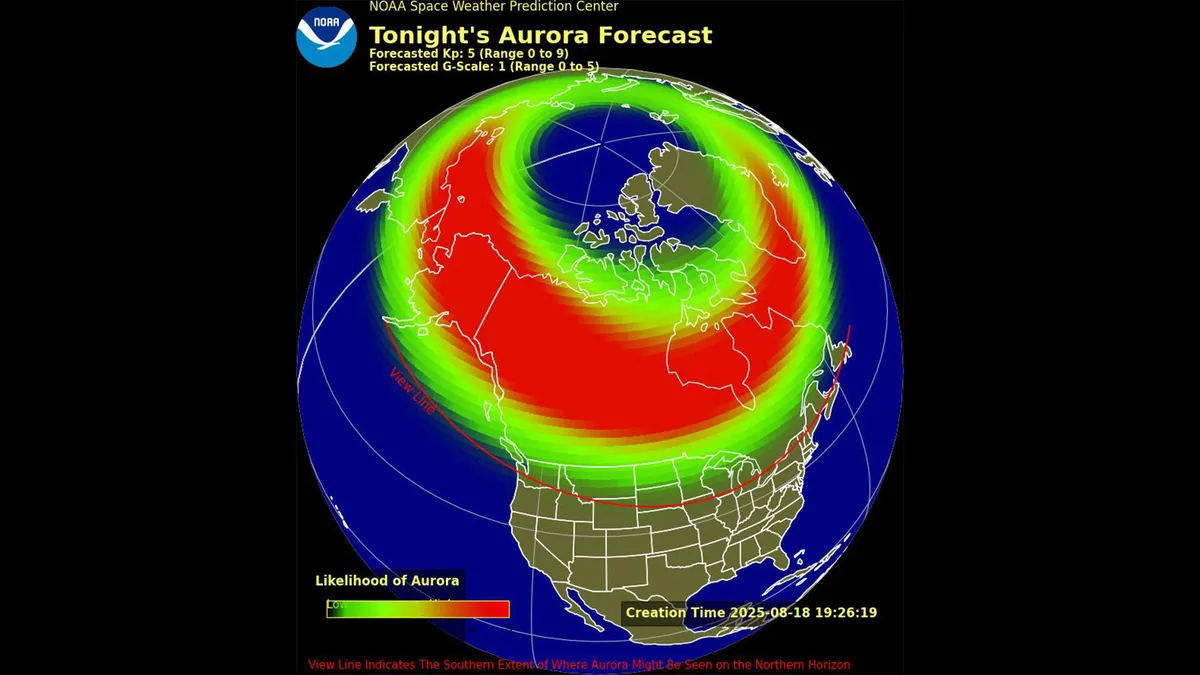
Visual maps showing auroral oval movement
Alerts for sudden geomagnetic activity
Predictions based on solar wind speed and density
Location-based visibility estimates

How Does the Northern Lights Forecast Work?
To understand a northern lights 30 minute forecast, it helps to know what causes the aurora in the first place.
The Northern Lights occur when charged particles from the sun collide with gases in Earth’s atmosphere. These particles are carried by solar wind and guided by Earth’s magnetic field toward the poles.
Data Used in Forecasting
Forecast systems rely on several key factors:
1. Solar Wind Speed
Faster solar wind increases the likelihood of auroral activity.
2. Interplanetary Magnetic Field (IMF)
The orientation of the magnetic field (especially the Bz component) determines how easily solar particles enter Earth’s atmosphere.
3. KP Index
This scale measures geomagnetic activity from 0 to 9. Higher values mean stronger auroras.
4. Satellite Data
Satellites positioned between the sun and Earth provide real-time readings of incoming solar particles.
A 30-minute forecast uses all this data to estimate how auroral activity will evolve in the immediate future.
Why a 30 Minute Forecast Is Important for Travelers
If you’re traveling to see the Northern Lights, timing is everything. Even during peak season, the aurora may appear suddenly and disappear just as quickly.
Benefits of Using a Short-Term Forecast
Immediate decision-making: Know exactly when to head outside
Avoid wasted time: No need to wait all night in the cold
Better photography opportunities: Capture peak activity moments
Improved success rate: Increase your chances of seeing the lights
For travelers visiting remote destinations, this can make the difference between a successful trip and disappointment.
Best Places to Use a Northern Lights 30 Minute Forecast
The northern lights are most visible in regions close to the Arctic Circle. Here are some of the top destinations where a 30-minute forecast is especially useful:
Iceland
Iceland is one of the most popular aurora destinations. Its open landscapes and minimal light pollution make it ideal for viewing.
Norway
Northern parts of Norway, especially Tromsø, are famous for consistent aurora activity.
Finland
Lapland in Finland offers cozy cabins and glass igloos for aurora watching.
Canada
The Yukon and Northwest Territories in Canada provide some of the clearest skies.
Alaska
Alaska is another top destination, especially around Fairbanks.
In all these locations, a 30-minute forecast helps you react quickly to changing conditions.
Best Time to Use a Northern Lights 30 Minute Forecast
While the aurora can technically occur year-round, visibility depends on darkness and weather conditions.
Ideal Months
The best time to see the Northern Lights is from September to March, when nights are longest.
Best Time of Night
Typically between 9 PM and 2 AM
Peak activity often occurs around midnight
Weather Considerations
Even with strong auroral activity, clouds can block your view. Always combine your aurora forecast with a local weather forecast.
How to Read a Northern Lights 30 Minute Forecast
Understanding the data is crucial for making the most of it.
Aurora Maps
These maps show the “auroral oval,” the region where the lights are most likely visible.
Green = low activity
Yellow = moderate activity
Red = strong activity
KP Index
0–2: Minimal activity
3–4: Visible in northern regions
5+: Strong auroras, visible further south
Timing Indicators
Many forecasts show how the aurora is expected to shift over the next 30 minutes. Look for movement toward your location.
Tools and Apps for Northern Lights Forecasting
Several apps and websites provide reliable 30-minute forecasts.
Popular Tools
Aurora forecasting apps with real-time alerts
Space weather websites with live data
Satellite tracking tools
Many of these tools allow you to set notifications so you never miss a sudden aurora burst.
Tips for Using a Northern Lights 30 Minute Forecast Effectively
1. Stay Ready
Always be prepared to head बाहर quickly. The aurora can appear with little warning.
2. Choose the Right Location
Look for:
Dark skies بعيد from city lights
Open horizons
Minimal obstructions
3. Combine Forecasts
Use both:
Short-term aurora forecast
Local weather forecast
4. Be Patient
Even with accurate forecasts, nature can be unpredictable.

Photography Tips for Capturing the Northern Lights
A 30-minute forecast is especially valuable for photographers.
Essential Gear
DSLR or mirrorless camera
Tripod
Wide-angle lens
Camera Settings
ISO: 800–3200
Aperture: f/2.8 or lower
Exposure: 5–20 seconds
Timing Matters
Use the forecast to shoot during peak activity for the most vibrant images.
Common Mistakes to Avoid
Relying Only on Long-Term Forecasts
They don’t provide the real-time accuracy needed for aurora hunting.
Ignoring Weather Conditions
Clouds can completely block visibility.
Staying in One Place
If the forecast shows better conditions nearby, be ready to move.
Planning a Trip Around the Northern Lights
Step 1: Choose the Right Destination
Pick a location within the auroral zone.
Step 2: Travel During Peak Season
Aim for winter months with long nights.
Step 3: Use Forecast Tools Daily
Check the 30-minute forecast regularly during your trip.
Step 4: Stay Flexible
Be willing to adjust your plans based on conditions.
Advantages of Real-Time Aurora Forecasting
Higher success rates
Better time management
Enhanced travel experience
More opportunities for photography
Limitations of a 30 Minute Forecast
While incredibly useful, these forecasts are not perfect.
Sudden solar changes can alter predictions
Weather conditions still play a major role
Accuracy decreases further from the poles
Future of Northern Lights Forecasting
Advancements in space weather technology are making forecasts more accurate than ever. With improved satellite data and AI-driven models, future forecasts may become even more precise and accessible.
READ MORE:
Frequently Asked Questions (FAQ)
What is a northern lights 30 minute forecast?
It is a real-time prediction of auroral activity for the next 30 minutes, based on solar and geomagnetic data.
How accurate is it?
It is generally reliable for short-term predictions but can still be affected by sudden solar changes.
Do I need special equipment to use it?
No, most forecasts are available via apps or websites.
Can I see the aurora without a forecast?
Yes, but using a forecast greatly increases your chances.
Is the aurora visible every night?
No, it depends on solar activity and weather conditions.
Final Thoughts
A northern lights 30 minute forecast is one of the most powerful tools for modern travelers seeking to witness the aurora borealis. By providing near real-time insights into solar activity and auroral movement, it allows you to act quickly and make the most of your time under the night sky.
Whether you’re exploring Iceland, venturing into Alaska, or chasing the lights across Norway, using a 30-minute forecast can turn your trip into an unforgettable experience.
Stay prepared, stay flexible, and keep your eyes on the sky—the Northern Lights may appear when you least expect them.