
Bullfighting Spain represents one of the country’s oldest and most controversial cultural traditions. Known locally as la corrida de toros, bullfighting has played a significant role in Spanish history, festivals, art, and regional identity for centuries. While supporters view it as an artistic and cultural heritage, critics strongly oppose it due to ethical and animal welfare concerns. Today, bullfighting in Spain stands at the center of an ongoing national and international debate, making it a topic of great cultural, historical, and social importance.
What Is Bullfighting in Spain?
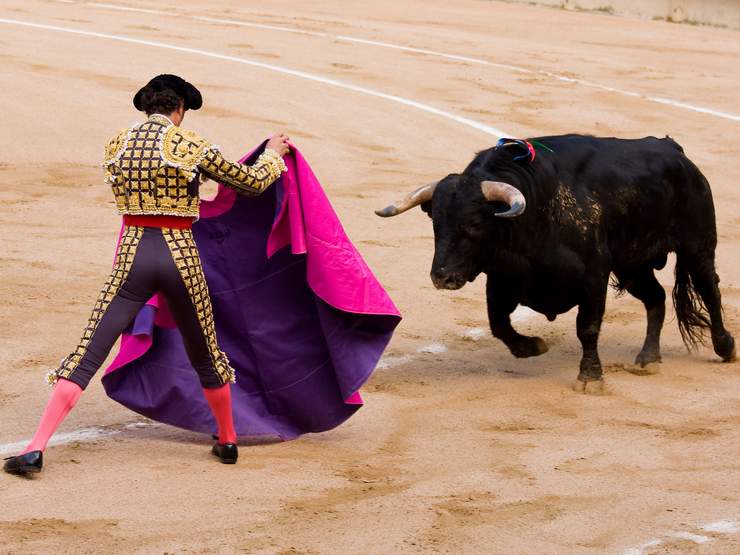
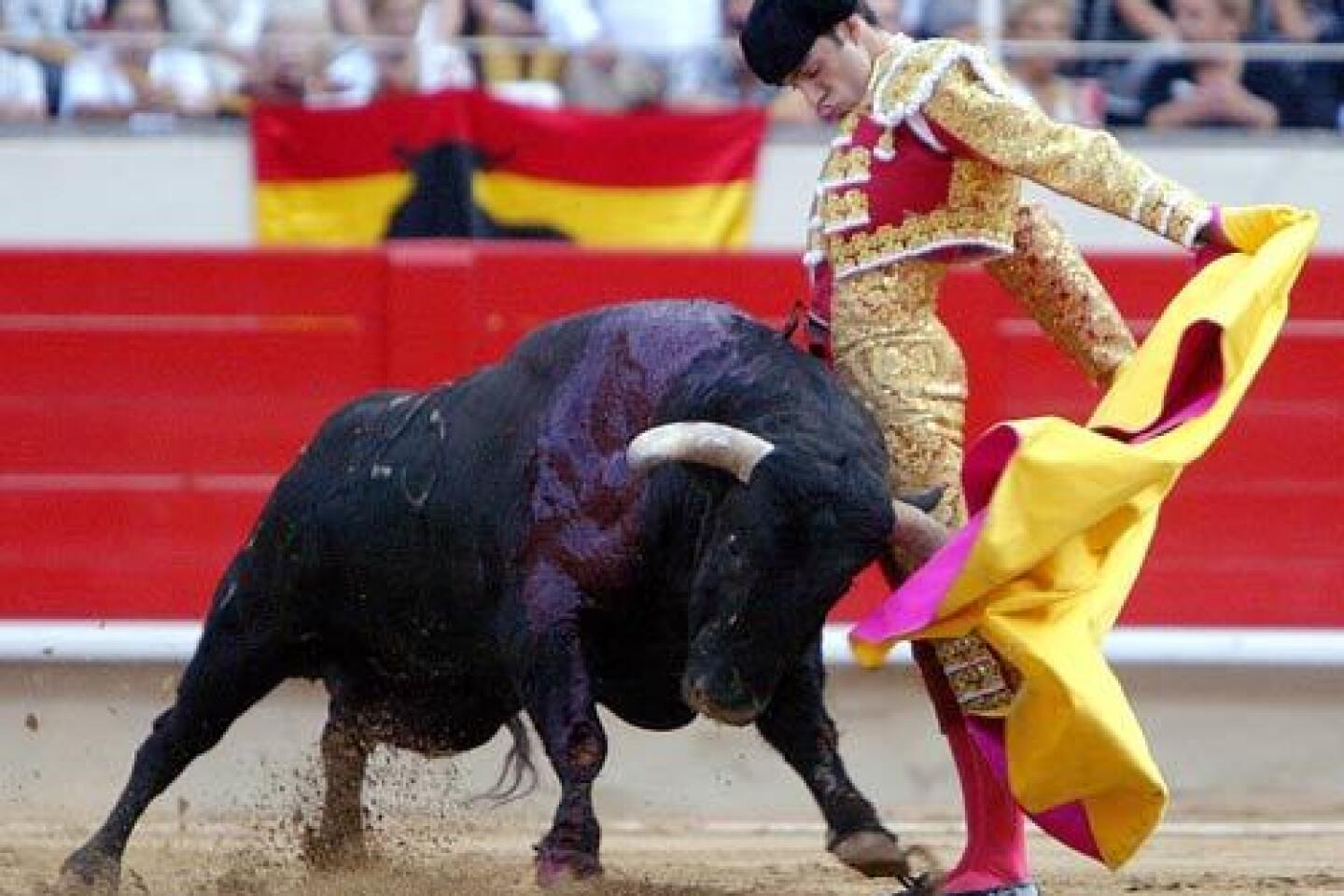
Bullfighting in Spain is a traditional spectacle where a trained bullfighter, called a matador, performs a series of movements with a cape and sword in a bullring (plaza de toros). The event follows a structured ritual and typically ends with the killing of the bull.
A standard bullfight involves:
One bullfighter (or several in sequence)
Specially bred fighting bulls (toros bravos)
A formal arena
Traditional music, costumes, and rules
Bullfighting is not considered a sport in Spain but rather a cultural performance or art form by its supporters.
History of Bullfighting in Spain
Ancient Origins
The roots of bullfighting in Spain date back thousands of years. Bulls have long held symbolic importance in the Iberian Peninsula. Ancient cave paintings, Roman amphitheaters, and early rituals all show evidence of bull-related ceremonies.
During Roman rule, bull spectacles were held in arenas for entertainment. Later, Visigothic and Moorish influences shaped how bulls were used in ceremonies and celebrations.
Medieval Development
In the Middle Ages, bullfighting was practiced mainly by Spanish nobility on horseback. These early versions resembled jousting, where knights demonstrated bravery and horsemanship by confronting bulls during royal celebrations.
Over time, common people began participating, and bullfighting gradually shifted from horseback performances to foot-based combat.
Modern Bullfighting Takes Shape
By the 18th century, bullfighting evolved into the form recognized today. The matador became the central figure, and standardized rules were established. Purpose-built bullrings were constructed across Spain, many of which are still in use.
Famous matadors emerged, and bullfighting became deeply embedded in Spanish national identity.
Structure of a Traditional Spanish Bullfight
A traditional bullfight in Spain is highly organized and symbolic. It is divided into three main stages, known as tercios.
First Stage: Tercio de Varas
The bull enters the arena, and the matador studies its behavior using a large cape (capote). Horse-mounted lancers called picadores weaken the bull by piercing its neck muscles. This stage tests the bull’s strength and temperament.
Second Stage: Tercio de Banderillas
Assistants place colorful barbed sticks called banderillas into the bull’s shoulders. This stage further tires the bull and prepares it for the final act.
Third Stage: Tercio de Muerte
The matador performs a series of artistic passes with a smaller red cape (muleta). The goal is to demonstrate control, grace, and bravery. The bullfight ends with the matador attempting to kill the bull with a sword.
Famous Bullfighting Regions in Spain
Bullfighting is not equally popular throughout Spain. Some regions strongly support it, while others have banned or rejected it.
Andalusia
Andalusia is the heart of bullfighting in Spain. Cities like Seville, Córdoba, and Ronda are famous for their bullfighting traditions.
Seville’s Plaza de Toros de la Maestranza is one of the most iconic bullrings in the world
Ronda is considered the birthplace of modern bullfighting
Major events take place during local festivals and fairs
Madrid
Madrid hosts one of the most important bullfighting events in the world: San Isidro Festival. The Las Ventas bullring is Spain’s largest and most prestigious arena.
Performing well in Madrid can define a matador’s career.
Castile and León
This region is known for traditional bull-related festivals, including encierros (running of the bulls). Bullfighting remains culturally significant here.
Catalonia
Catalonia banned bullfighting in 2010, and the ban took effect in 2012. While the decision was based on animal welfare concerns, it was also linked to regional identity and politics.
Bullfighting Festivals in Spain
Bullfighting is closely connected to Spanish festivals. Some of the most famous include:
San Fermín (Pamplona)
Known worldwide for the Running of the Bulls, San Fermín also includes bullfights. Bulls that run through the streets are later used in the arena.
Feria de Abril (Seville)
This spring festival combines flamenco, traditional dress, food, and daily bullfights at the Maestranza.
San Isidro (Madrid)
A month-long festival featuring daily bullfights, drawing top matadors and international visitors.
Bullfighting Costumes and Symbols
Bullfighting is rich in symbolism, and every detail has meaning.
Traje de Luces (Suit of Lights)
Matadors wear elaborate, hand-embroidered suits known as traje de luces. These suits are brightly colored and often decorated with gold or silver thread.
The Red Cape Myth
Contrary to popular belief, bulls are color-blind. The red cape (muleta) is used for tradition and to hide blood, not to provoke the bull.
Music and Ritual
Bullfights are accompanied by live music, ceremonial entrances, and formal gestures that reflect respect for tradition.
Breeding of Fighting Bulls in Spain
Fighting bulls are raised specifically for bullfighting. They live on large ranches called ganaderías and are selected for aggression, strength, and endurance.
Supporters argue that these bulls live better lives than most farm animals. Critics argue that breeding animals for violent entertainment is unethical.
Economic Impact of Bullfighting in Spain
Bullfighting generates significant economic activity in Spain.
Employment
The industry supports:
Matadors and assistants
Bull breeders
Arena workers
Costume designers
Musicians
Event organizers
Tourism Revenue
Bullfighting attracts tourists, especially during major festivals. Bullrings, museums, and guided tours also generate income year-round.
Rural Economy
Bull breeding supports rural land use and preserves large natural landscapes, according to supporters.
Bullfighting and Spanish Culture
Bullfighting has influenced Spanish culture in many ways.
Art and Literature
Famous artists and writers inspired by bullfighting include:
Francisco Goya
Pablo Picasso
Federico García Lorca
Ernest Hemingway
Bullfighting is often portrayed as a symbol of passion, tragedy, and confrontation with death.
National Identity
For some Spaniards, bullfighting represents courage, tradition, and heritage. For others, it symbolizes outdated values and cruelty.
Controversy and Animal Rights Debate
Bullfighting is one of the most controversial traditions in modern Spain.
Arguments Against Bullfighting
Opponents argue that:
It causes unnecessary suffering
It promotes violence
It no longer reflects modern values
Public funds should not support it
Animal rights groups actively campaign against bullfighting both in Spain and internationally.
Arguments in Favor of Bullfighting
Supporters argue that:
It is a centuries-old cultural tradition
Bulls are respected and honored
It is an art form, not a sport
Banning it threatens cultural freedom

Legal Status of Bullfighting in Spain
Bullfighting is legal at the national level but regulated by regional governments.
Declared part of Spain’s cultural heritage in 2013
Banned in Catalonia
Restricted or declining in some regions
Protected in others, especially Andalusia and Madrid
Public opinion varies widely across the country.
Decline in Popularity
Bullfighting attendance has declined over the past few decades. Younger generations are less interested, and many arenas struggle financially.
Reasons include:
Changing social values
Animal welfare awareness
High ticket prices
Reduced government subsidies
Alternatives to Traditional Bullfighting
Some regions promote alternatives that do not involve killing the bull, such as:
Bull runs without fights
Recortes (acrobatic bull dodging)
Cultural exhibitions and reenactments
These alternatives aim to preserve tradition while reducing animal suffering.
Bullfighting and Tourism Today
Many tourists attend bullfights out of curiosity or cultural interest. However, travel companies increasingly offer ethical guidance and alternative cultural experiences.
Tourists are encouraged to:
Learn about the tradition before attending
Understand local perspectives
Explore museums and historical bullrings
The Future of Bullfighting in Spain
The future of bullfighting in Spain remains uncertain.
Possible outcomes include:
Gradual decline due to lack of interest
Continued protection as cultural heritage
Regional bans expanding
Transformation into non-lethal traditions
The debate reflects broader changes in Spanish society and global attitudes toward animal welfare.
READ ABOUT:
tophillsport com – Your Ultimate Destination for Sports News, Analysis, and Insights
Conclusion
Bullfighting in Spain is a complex and deeply rooted tradition that combines history, art, culture, and controversy. For centuries, it has played a central role in Spanish festivals and identity. Today, it stands at a crossroads between preservation and change.
Understanding bullfighting in Spain requires looking beyond simple judgments. It involves history, regional diversity, economics, and evolving social values. Whether it survives, transforms, or fades away, bullfighting remains one of the most powerful symbols of Spain’s cultural past and present.
Frequently Asked Questions (FAQ) – Bullfighting Spain
What is bullfighting in Spain?
Bullfighting Spain refers to a traditional cultural event known as la corrida de toros, where a matador performs ritualized movements with a bull in an arena. The event follows strict rules and has deep historical roots in Spanish culture.
Is bullfighting legal in Spain?
Yes, bullfighting is legal in Spain at the national level and is recognized as part of Spain’s cultural heritage. However, some regions, such as Catalonia, have banned bullfighting, while others actively protect and promote it.Why is bullfighting controversial in Spain?
Bullfighting is controversial because it involves the injury and killing of bulls. Supporters argue it is a cultural art form with historical value, while opponents believe it is cruel and does not align with modern animal welfare standards.
Where is bullfighting most popular in Spain?
Bullfighting remains most popular in regions such as Andalusia, Madrid, Castile and León, and Extremadura. Cities like Seville, Madrid, and Ronda are especially famous for bullfighting traditions.
Is bullfighting banned in Barcelona?
Yes, traditional bullfighting is banned in Barcelona and the wider Catalonia region. The ban came into effect in 2012, although bullrings may still be used for other events and cultural activities.
Do tourists attend bullfights in Spain?
Yes, many tourists attend bullfights out of cultural interest, especially during major festivals like San Isidro in Madrid or Feria de Abril in Seville. However, tourism attitudes are changing, and some visitors choose alternative cultural experiences.
Are bulls killed in Spanish bullfighting?
In traditional bullfighting, the bull is usually killed by the matador at the end of the performance. Some modern alternatives and festivals exist where bulls are not killed.
How are bulls raised for bullfighting in Spain?
Bulls used in bullfighting are specially bred on large ranches called ganaderías. They live in open countryside and are selected for strength and aggression, specifically for bullfighting events.
Is bullfighting declining in Spain?
Yes, bullfighting attendance has declined over recent decades, particularly among younger generations. Rising animal welfare concerns and changing cultural values have contributed to this decline.
What are alternatives to bullfighting in Spain?
Alternatives include non-lethal bull events such as recortes (bull dodging), bull runs without fights, cultural exhibitions, and historical reenactments that preserve tradition without killing the animal.
Why do some Spaniards support bullfighting?
Supporters believe bullfighting represents Spanish history, art, bravery, and cultural identity. They argue it should be preserved as a tradition and protected as cultural heritage.
What is the future of bullfighting in Spain?
The future of bullfighting Spain is uncertain. It may continue in some regions, decline further, or evolve into non-lethal forms as public opinion and laws continue to change.