

Kendall Jenner Pepsi Ad: A Complete Analysis of the Controversial Campaign
The “Kendall Jenner Pepsi Ad” remains one of the most talked-about marketing campaigns in modern advertising history. Released in 2017, the commercial quickly became a global topic—not for its creativity or success, but for the intense backlash it received. Featuring supermodel and media personality Kendall Jenner and global beverage brand Pepsi, the ad attempted to deliver a message of unity and peace. However, it was widely criticized for trivializing serious social justice movements, particularly those associated with Black Lives Matter.
In this comprehensive, SEO-friendly article, we’ll explore every aspect of the Kendall Jenner Pepsi ad—from its concept and execution to the backlash, cultural implications, and lessons learned for brands worldwide.
What Was the Kendall Jenner Pepsi Ad?
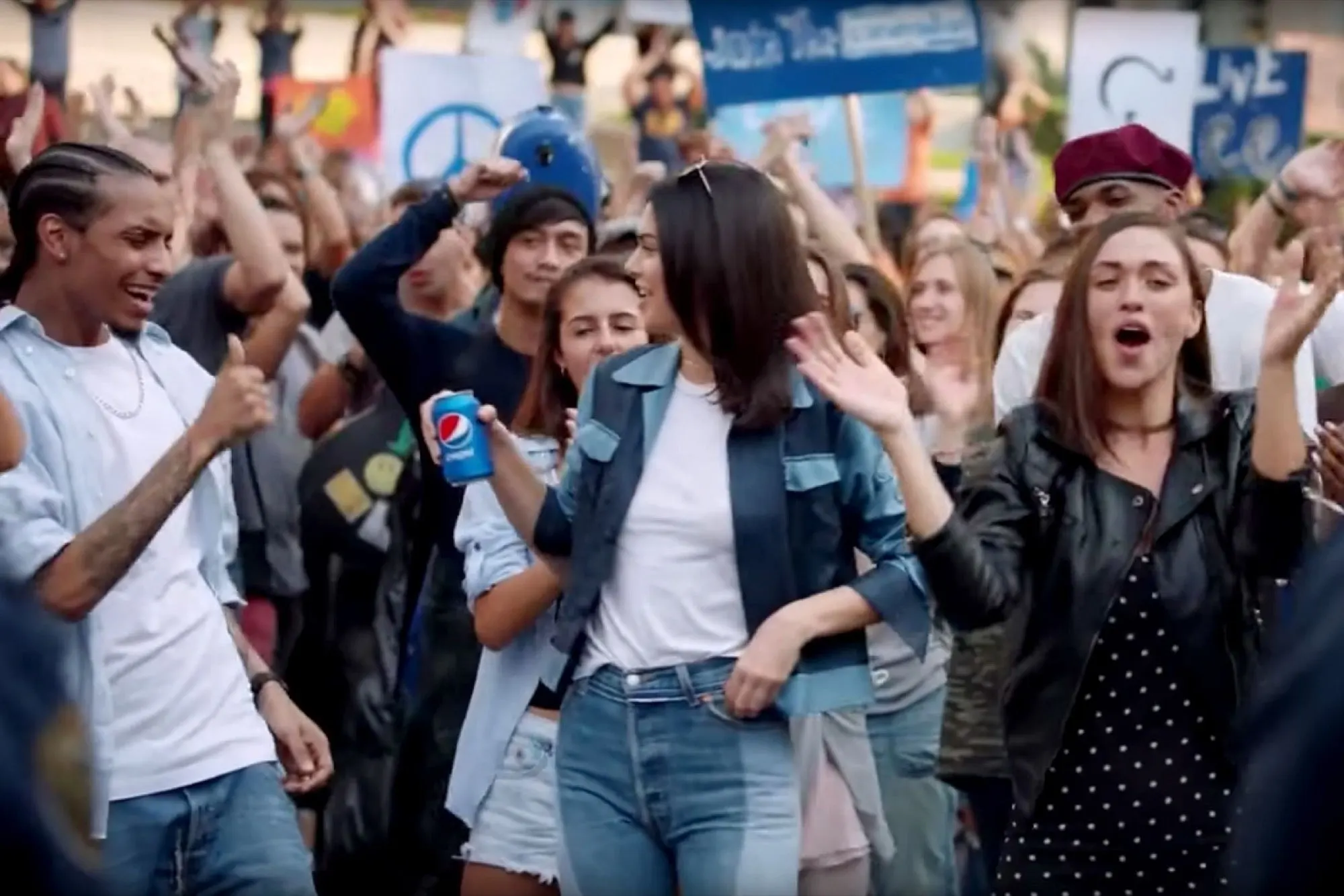
The Kendall Jenner Pepsi ad was part of Pepsi’s “Live For Now Moments Anthem” campaign. The commercial depicted a protest scene filled with diverse young people marching through city streets with signs promoting unity, love, and peace.
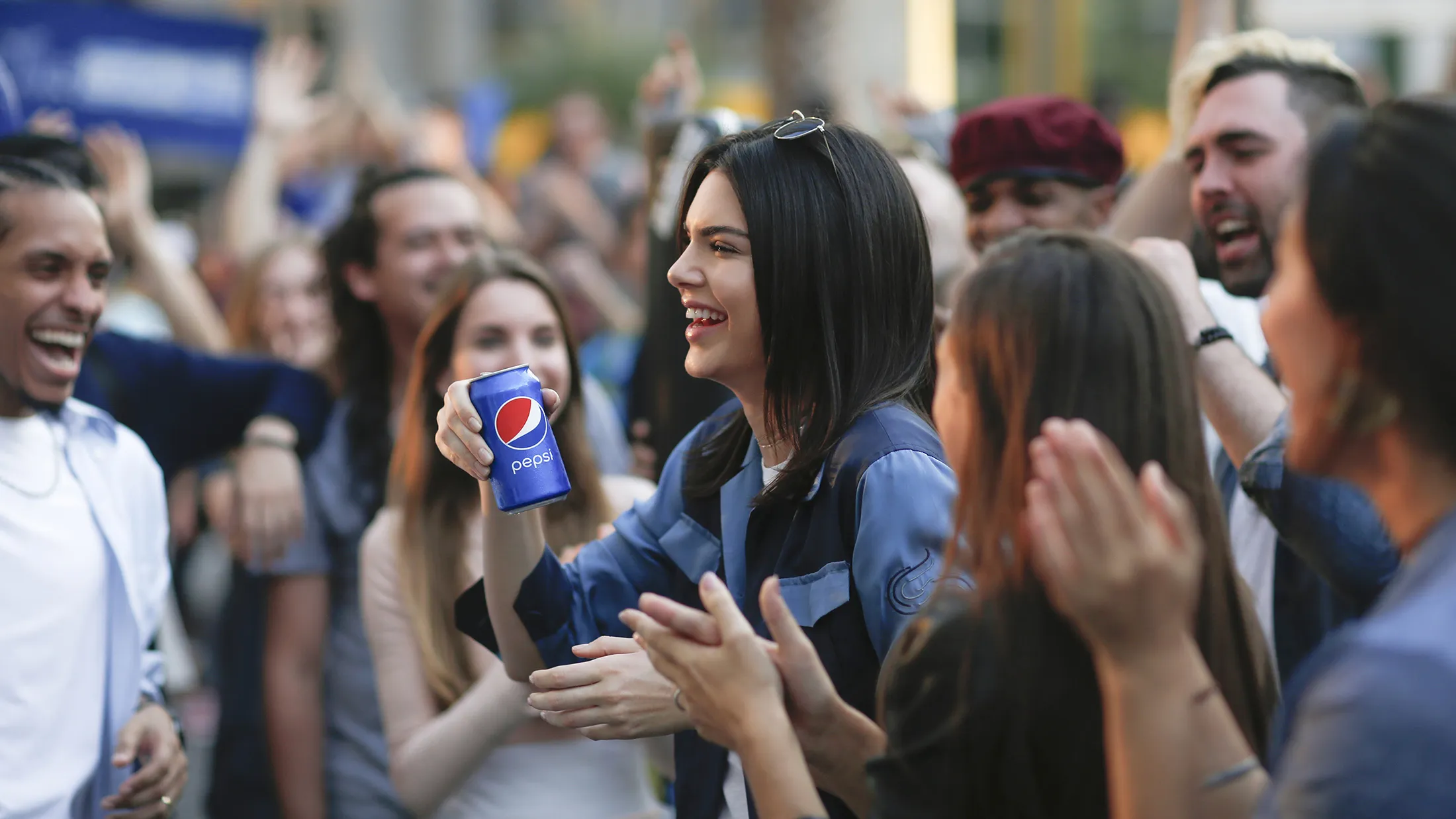
Kendall Jenner is shown participating in a fashion photoshoot nearby. As she watches the protest unfold, she removes her blonde wig, wipes off her lipstick, and joins the crowd. The climax of the ad occurs when she approaches a line of police officers and hands one of them a can of Pepsi. The officer accepts it, takes a sip, and the crowd erupts in celebration.
The intended message was clear: unity and harmony can overcome division. However, the execution sparked widespread criticism.
The Concept Behind the Campaign
Pepsi aimed to tap into the energy of youth activism and position itself as a brand that celebrates togetherness and cultural awareness. The company has a long history of associating itself with pop culture, music, and social trends.
The ad’s tone attempted to mirror real-world protests, including those advocating for racial justice, equality, and human rights. The imagery—crowds marching, people holding signs, and police presence—was reminiscent of actual demonstrations happening globally at the time.
However, critics argued that the ad oversimplified complex social issues by suggesting that systemic tensions could be resolved with a soft drink.
Why the Kendall Jenner Pepsi Ad Was Controversial
1. Trivializing Social Justice Movements
One of the biggest criticisms was that the ad trivialized serious protests, particularly those connected to movements like Black Lives Matter. By portraying a protest as a cheerful, almost festival-like gathering, the ad ignored the real struggles and risks faced by activists.
Many viewers felt that equating a can of soda with meaningful social change was tone-deaf and insensitive.
2. Misrepresentation of Protest Culture
Real protests often involve tension, conflict, and significant emotional weight. The Pepsi ad, however, presented a sanitized version of activism—one that lacked authenticity.
The moment when Kendall Jenner resolves the situation by handing a Pepsi to a police officer was especially criticized. It suggested that complex issues between law enforcement and communities could be easily resolved with a simple gesture.
3. Use of a Celebrity Figure
Casting Kendall Jenner as the central figure also raised concerns. Critics argued that using a wealthy celebrity to symbolize activism undermined the voices of real activists who have dedicated their lives to social change.
The portrayal seemed disconnected from reality, further intensifying the backlash.
4. Cultural Insensitivity
The imagery in the ad closely resembled real-life protest scenes, including iconic moments captured during demonstrations. Some viewers pointed out similarities to photographs of activists confronting police officers, which made the ad feel exploitative.
Public Reaction and Backlash
The reaction to the Kendall Jenner Pepsi ad was swift and overwhelmingly negative. Social media platforms exploded with criticism, memes, and calls for accountability.
Social Media Response
- Twitter users mocked the ad’s message and execution
- Memes comparing real protests to the commercial went viral
- Influencers and activists voiced their disappointment
Celebrity and Activist Criticism
Many public figures spoke out against the ad, calling it insensitive and poorly thought out. Activists, in particular, expressed frustration that their struggles were being used for commercial gain.
Pepsi’s Response and Apology
Facing mounting criticism, Pepsi acted quickly. Within 24 hours of the backlash reaching its peak, the company pulled the ad from all platforms.
Pepsi released an official statement apologizing for the campaign, acknowledging that they “missed the mark.” They also issued a direct apology to Kendall Jenner for putting her in a difficult position.
The swift removal of the ad demonstrated the power of public opinion in shaping brand decisions.
Kendall Jenner’s Reaction
Kendall Jenner initially remained silent as the controversy unfolded. Later, she addressed the situation in an episode of Keeping Up with the Kardashians.
She became emotional while discussing the backlash, stating that she never intended to offend anyone. Jenner explained that she trusted the creative team behind the ad and was unaware of how it would be perceived.
Her response highlighted the complexities celebrities face when participating in large-scale campaigns.
Lessons Learned from the Kendall Jenner Pepsi Ad
The controversy surrounding the Kendall Jenner Pepsi ad offers valuable insights for marketers, brands, and advertisers.
1. Authenticity Matters
Consumers today value authenticity. Brands must ensure that their messaging aligns with real-world experiences and does not come across as superficial.
2. Understand Cultural Context
Before launching campaigns that touch on social issues, companies must fully understand the cultural and political context. Misinterpretation can lead to significant backlash.
3. Avoid Exploiting Social Movements
Using social justice movements as marketing tools can be risky. If not handled with care and respect, it can appear exploitative.
4. Diverse Perspectives Are Crucial
Having diverse voices involved in the creative process can help identify potential issues before a campaign is released.
5. Social Media Amplifies Reactions
In today’s digital age, public reactions can spread rapidly. Brands must be prepared for immediate feedback—both positive and negative.
The Impact on Pepsi’s Brand Image
The Kendall Jenner Pepsi ad temporarily damaged the company’s reputation. While Pepsi remains a global leader in the beverage industry, the incident became a case study in marketing failures.
However, the company’s quick response helped mitigate long-term damage. By acknowledging the mistake and removing the ad, Pepsi demonstrated accountability.
The Role of Advertising in Social Issues
The controversy also sparked a broader discussion about the role of advertising in addressing social issues.
Should Brands Take a Stand?
Some argue that brands should use their platforms to promote positive change. Others believe that companies should avoid sensitive topics unless they have a genuine connection to the cause.
Finding the Right Balance
Successful campaigns that address social issues often:
- Involve real communities
- Provide tangible support
- Avoid oversimplification
The Kendall Jenner Pepsi ad failed to strike this balance.
Comparisons to Other Controversial Ads
The Kendall Jenner Pepsi ad is often compared to other marketing missteps. While many brands have faced backlash, this campaign stands out due to its scale and impact.
It is frequently studied in marketing courses as an example of what not to do when addressing serious topics.
Long-Term Cultural Impact
Even years later, the Kendall Jenner Pepsi ad continues to be referenced in discussions about advertising ethics. It has become a symbol of tone-deaf marketing.
The phrase “pulling a Pepsi ad” is sometimes used to describe campaigns that attempt to capitalize on social issues without proper understanding.
READ MORE:
SEO Insights: Why “Kendall Jenner Pepsi Ad” Still Trends
The keyword “kendall jenner pepsi ad” remains popular due to:
- Ongoing interest in celebrity controversies
- Marketing case studies
- Discussions about social justice in advertising
Content related to this topic continues to attract readers, making it a valuable subject for SEO-focused articles.
Frequently Asked Questions (FAQ)
What was the Kendall Jenner Pepsi ad about?
The ad depicted Kendall Jenner joining a protest and diffusing tension by handing a Pepsi to a police officer, symbolizing unity and peace.
Why was the Pepsi ad criticized?
It was criticized for trivializing social justice movements and oversimplifying complex societal issues.
Did Pepsi remove the ad?
Yes, Pepsi pulled the ad within 24 hours of the backlash and issued a public apology.
How did Kendall Jenner respond?
Kendall Jenner later expressed regret and stated that she did not intend to offend anyone.
What can marketers learn from this controversy?
Key lessons include the importance of authenticity, cultural awareness, and avoiding exploitation of sensitive topics.
Conclusion
The Kendall Jenner Pepsi ad serves as a powerful reminder of the complexities involved in modern advertising. While the intention may have been to promote unity, the execution fell short, leading to widespread criticism.
For brands, the takeaway is clear: addressing social issues requires careful thought, genuine intent, and a deep understanding of the audience. In a world where consumers are more aware and vocal than ever, authenticity is not optional—it’s essential.
The legacy of the Kendall Jenner Pepsi ad continues to influence how companies approach marketing campaigns, ensuring that its lessons are not forgotten anytime soon.