
Best Time to See Northern Lights in Norway (Complete Travel Guide)
The magical display of the Northern Lights—scientifically known as the Aurora Borealis—is one of the most breathtaking natural wonders you can experience. Norway, with its Arctic location, dramatic landscapes, and long winter nights, is widely considered one of the best places on Earth to witness this dazzling sky show.
If you’re planning a trip and wondering about the best time to see northern lights in Norway, this detailed, SEO-friendly travel guide will walk you through everything you need to know—from ideal months and locations to expert tips that maximize your chances of success.
What Are the Northern Lights?
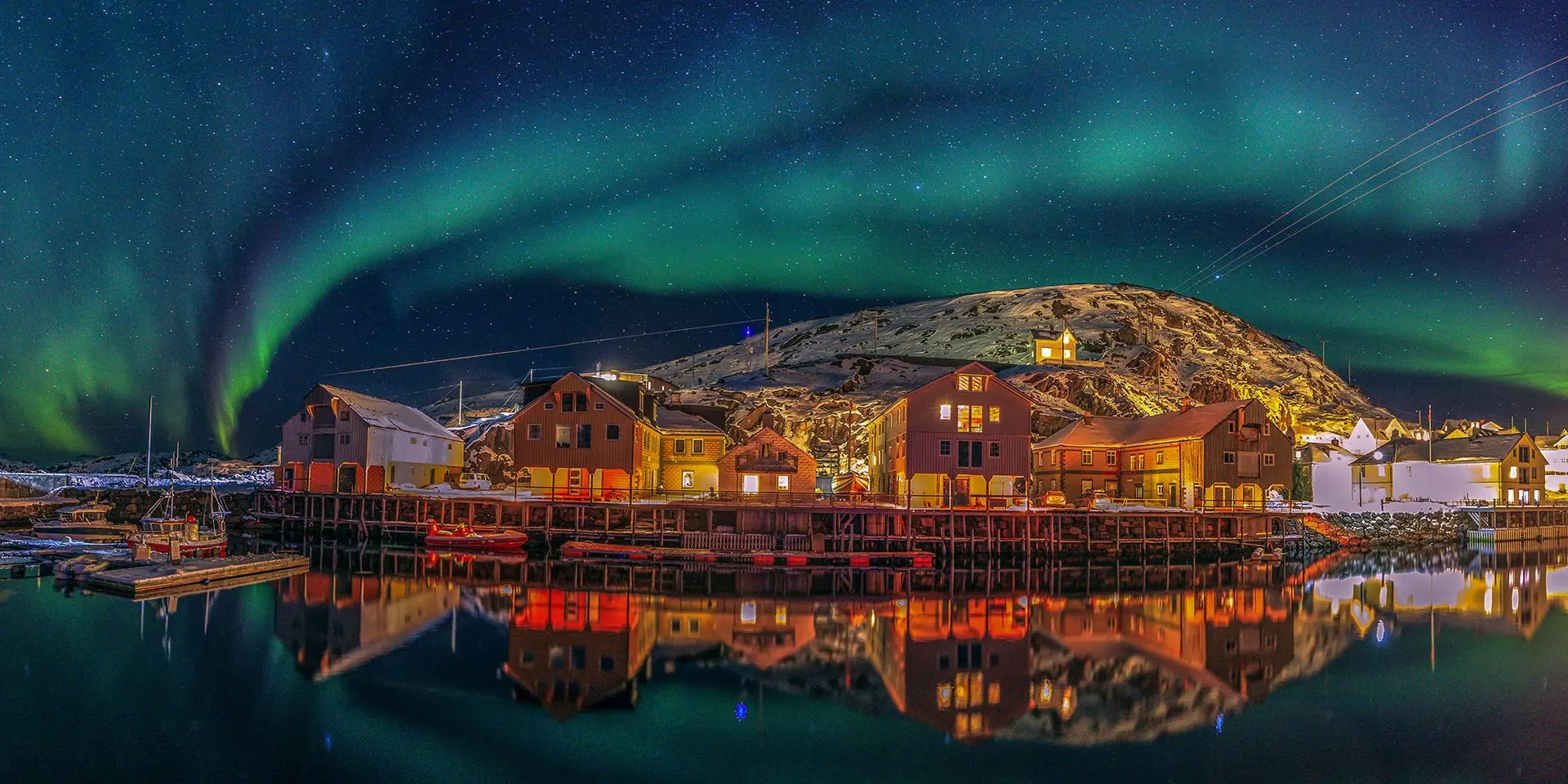
The Northern Lights occur when charged particles from the sun collide with gases in Earth’s atmosphere. These collisions release energy in the form of colorful light—usually green, but sometimes pink, purple, or even red.
This phenomenon is most visible near the Earth’s magnetic poles, which is why countries like Norway are prime viewing destinations.
Best Time to See Northern Lights in Norway
Peak Season: November to February
The best time to see northern lights in Norway is during the deep winter months from November to February. This period offers:
Long, dark nights (up to 20 hours in the far north)
High probability of aurora activity
Clear skies in many Arctic regions
December and January are especially popular due to the extended darkness, giving you more hours each night to spot the lights.
Full Aurora Season: September to April
While winter is ideal, the full Northern Lights season in Norway stretches from:
Late September to early April
During this period:
Nights are dark enough for visibility
Aurora activity is consistent
You have multiple chances across several months

Month-by-Month Breakdown
September – October (Early Season)
Pros:
Milder temperatures
Fewer tourists
Beautiful autumn scenery
Cons:
Shorter nights
Slightly lower chances than winter
This is a great time for travelers who want a balance between comfort and aurora viewing.
November – February (Peak Season)
Pros:
Longest nights of the year
Highest visibility chances
Snow-covered landscapes
Cons:
Extremely cold temperatures (often below -10°C)
Higher travel costs
If your goal is to maximize your chances, this is the best time to visit.
March (Late Season Sweet Spot)
Pros:
Warmer than winter months
Good aurora activity
Longer daylight for sightseeing
Cons:
Slightly shorter nights
March is often underrated but offers a fantastic combination of comfort and visibility.
April – August (Not Suitable)
During this time, Norway experiences the Midnight Sun, especially in the north. This means:
Continuous daylight
No darkness
No chance of seeing the Northern Lights
Best Time of Night to See Northern Lights
Even during the right season, timing within the night is important.
Best hours: 6:00 PM to 2:00 AM
Peak viewing: 9:00 PM to midnight
The darker the sky, the better your chances of seeing a vivid display.
Best Places in Norway to See Northern Lights
To increase your chances, head north of the Arctic Circle. Here are the top destinations:
Tromsø
Known as the “Gateway to the Arctic”
High success rate for aurora sightings
Excellent tour options
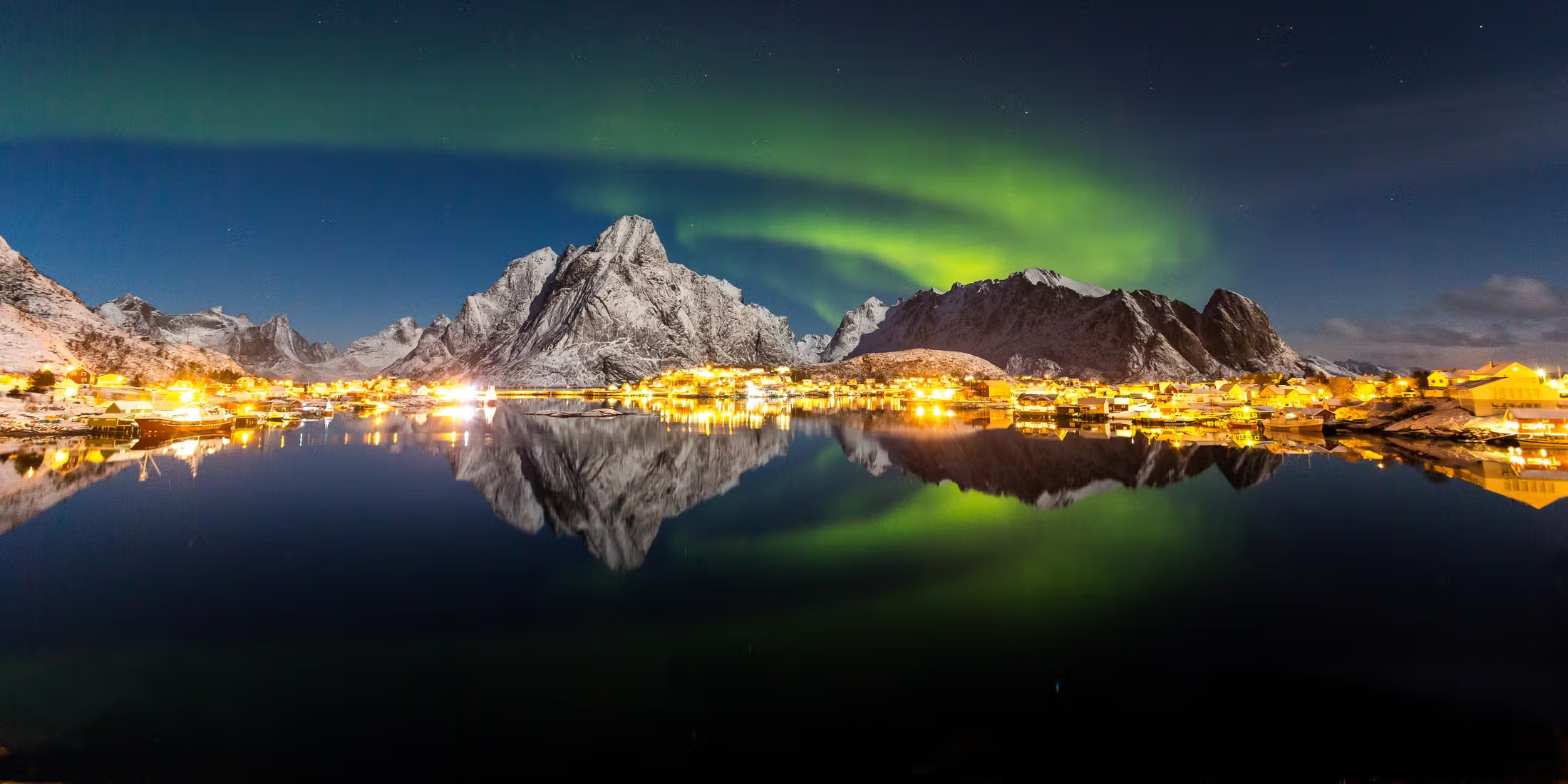
Lofoten Islands
Stunning landscapes with mountains and fjords
Perfect for photography enthusiasts
Alta
Often called the “City of Northern Lights”
Dry climate means clearer skies
Svalbard
Unique Arctic experience
Polar night allows aurora viewing even during the day (in darkness)
Why Winter Is the Best Time
Several key factors make winter the ideal season:
1. Maximum Darkness
Long nights provide more viewing opportunities.
2. Better Visibility
Dark skies enhance the brightness and colors of the aurora.
3. Stable Weather
Cold conditions often bring clearer skies.
4. Polar Night
In northern regions, the sun doesn’t rise for weeks—perfect for aurora viewing.
Factors That Affect Northern Lights Visibility
Seeing the aurora is never guaranteed. Several factors play a role:
Solar Activity
Auroras depend on solar storms and geomagnetic activity.
Cloud Cover
Clouds can block the view entirely.
Light Pollution
Cities reduce visibility—rural areas are better.
Moonlight
A full moon can reduce contrast, though auroras are still visible.
How Long Should You Stay?
For the best chances of seeing the Northern Lights:
Stay at least 3 to 5 nights
This gives you multiple opportunities in case of cloudy weather.
Best Year to See Northern Lights
The Northern Lights follow an 11-year solar cycle. Current years are close to a solar maximum, meaning:
More frequent displays
Stronger and brighter auroras
This makes now an excellent time to plan your trip.
Tips to Increase Your Chances
Go as Far North as Possible
Locations above the Arctic Circle have the highest success rates.
Check Forecasts
Use aurora and weather apps to plan your nights.
Avoid City Lights
Find dark areas away from light pollution.
Dress Properly
Layer up with thermal clothing.
Be Patient
Auroras can appear suddenly and disappear quickly.

Photography Tips for Northern Lights
Use a tripod for stability
Set long exposure (5–20 seconds)
Use a wide-angle lens
Adjust ISO between 800–3200
Capturing the Northern Lights requires practice, but the results are worth it.
Unique Experiences in Norway
Your Northern Lights trip can include much more than just sky watching:
Dog sledding adventures
Snowmobiling across Arctic landscapes
Whale watching tours
Fjord cruises
Staying in glass-roof cabins
These activities make your trip even more memorable.
Budget vs Luxury Travel Timing
Budget Travelers
Visit in September, October, or March
Lower prices and fewer crowds
Luxury Travelers
Visit in December or January
Best conditions with premium experiences
Common Myths About Northern Lights
Myth 1: You Can See Them Every Night
Reality: Weather and solar activity vary daily.
Myth 2: They Look Exactly Like Photos
Reality: Cameras enhance colors more than the human eye.
Myth 3: It’s Too Cold to Enjoy
Reality: With proper clothing, it’s comfortable and enjoyable.
Sample 5-Day Itinerary
Day 1: Arrive in Tromsø and explore
Day 2: Fjord tour + aurora hunting
Day 3: Dog sledding + night viewing
Day 4: Free day + optional aurora tour
Day 5: Departure
FAQs
What is the best month to see Northern Lights in Norway?
January is often considered the best due to long nights and stable weather.
Can I see Northern Lights in October?
Yes, but chances are slightly lower than peak winter months.
Is Norway the best place to see Northern Lights?
Yes, especially northern regions like Tromsø and Alta.
What time do Northern Lights appear?
Typically between 6 PM and 2 AM, with peak around midnight.
READ MORE:
Ultimatix: Complete Guide to TCS Employee Portal in 2026
Final Thoughts
The best time to see northern lights in Norway depends on your travel preferences, but for the highest chances, aim for November to February. If you prefer milder weather and fewer crowds, consider visiting in September–October or March.
With the right timing, location, and a bit of patience, Norway offers one of the most magical opportunities on Earth to witness the awe-inspiring Aurora Borealis.