

Introduction: The Digital Revolution in Sports
The world of sports is undergoing one of the most exciting transformations in its history. From artificial intelligence-driven analytics to smart wearables and virtual reality training environments, sports technology is changing how athletes train, how coaches strategize, and how fans experience their favorite games. This rapid evolution has created a booming industry where innovation meets performance, and where data, automation, and connectivity redefine what is possible.
Sports technology news is no longer limited to niche audiences or tech enthusiasts. It has become mainstream, influencing professional leagues, amateur athletes, schools, fitness enthusiasts, and even everyday fans. Whether it is a football team using advanced tracking systems to reduce injuries or a tennis player wearing smart clothing to optimize movement, technology is shaping outcomes in ways never seen before.
This article explores the latest trends, breakthroughs, and future directions in sports technology. You will discover how cutting-edge tools are enhancing performance, improving safety, transforming fan engagement, and opening new opportunities across the sports ecosystem.
The Rise of Wearable Technology in Sports
Wearable technology is one of the most visible and impactful areas in sports technology news. Devices such as smartwatches, fitness bands, heart rate monitors, and GPS trackers are now standard tools for athletes at all levels.
Performance Tracking and Optimization
Modern wearables collect vast amounts of data, including heart rate, speed, distance, acceleration, sleep quality, hydration levels, and even muscle fatigue. This information allows coaches and sports scientists to analyze an athlete’s physical condition in real time and adjust training programs accordingly.
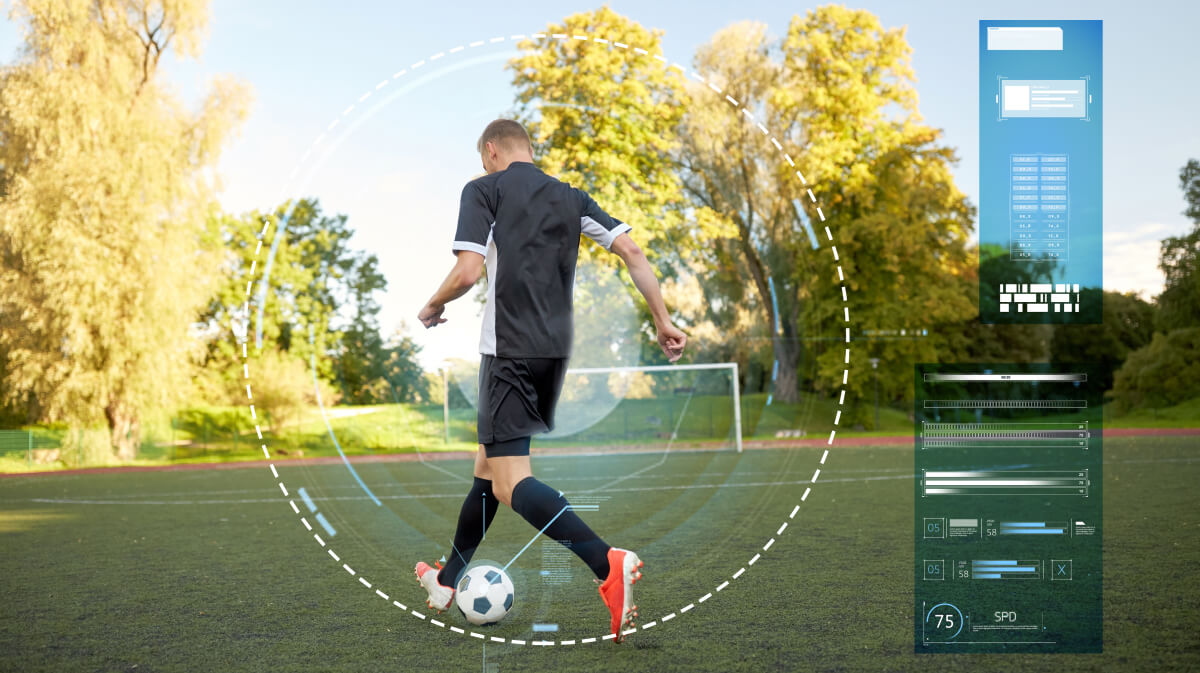
For example, a soccer player wearing a GPS vest can have their sprint speed, total distance covered, and workload monitored during training sessions. Coaches can then tailor drills to improve endurance or reduce overtraining.
Injury Prevention and Recovery
Wearables also play a major role in preventing injuries. By tracking workload and movement patterns, teams can identify early warning signs of overuse or muscle imbalance. Some devices even monitor impact forces, helping detect potential concussions.
Recovery-focused wearables measure sleep quality, heart rate variability, and stress levels, providing insights into how well an athlete’s body is recovering. This data-driven approach helps reduce downtime and extend athletic careers.
Artificial Intelligence and Data Analytics in Sports
Artificial intelligence (AI) has become a game-changer in sports. AI-powered systems can process massive datasets quickly, uncovering patterns that humans might miss.
Smarter Coaching Decisions
AI tools analyze game footage, player statistics, and historical data to provide strategic recommendations. Coaches can use these insights to select lineups, design plays, and adjust tactics in real time.
For example, basketball teams use AI to identify shooting patterns and defensive weaknesses, while cricket teams analyze ball trajectory and batting styles to develop match-winning strategies.
Player Scouting and Recruitment
Scouting has evolved from subjective observation to data-driven evaluation. AI platforms compare thousands of players across multiple metrics, helping clubs identify talent that fits their style and budget.
This approach reduces risk and increases the likelihood of successful signings, making recruitment more efficient and objective.
Virtual Reality and Augmented Reality Training
Virtual reality (VR) and augmented reality (AR) are transforming how athletes train and prepare.
Immersive Training Environments
VR allows athletes to practice in simulated game scenarios without physical wear and tear. Quarterbacks can rehearse plays, goalkeepers can face virtual penalty kicks, and race car drivers can learn tracks before ever stepping into a vehicle.
Faster Skill Development
AR overlays digital information onto the real world, helping athletes visualize optimal movements and positioning. This technology accelerates learning and improves muscle memory.
Smart Stadiums and Enhanced Fan Experience
Sports technology news also highlights how fans are benefiting from innovation. Smart stadiums equipped with high-speed Wi-Fi, mobile apps, and connected devices offer a more immersive experience.
Contactless Entry and Payments
Digital tickets, facial recognition, and mobile wallets reduce queues and improve security. Fans can enter venues quickly and make purchases without cash.
Personalized Content
Stadium apps provide real-time stats, instant replays, and customized notifications. Fans can choose camera angles, order food to their seats, and participate in live polls.

Biomechanics and Motion Analysis
Biomechanics uses technology to study human movement and improve efficiency.
High-Speed Cameras and Sensors
Advanced camera systems capture motion in extreme detail, allowing analysts to break down technique frame by frame. Sensors embedded in clothing or equipment provide additional data.
Improving Technique
From a golfer’s swing to a sprinter’s stride, biomechanics helps athletes refine their form, increase power, and reduce injury risk.
The Growth of Esports Technology
Esports has become a major part of the sports technology landscape.
Performance Tools for Gamers
Professional gamers use specialized software and hardware to track reaction time, accuracy, and decision-making speed.
Broadcasting Innovations
High-definition streaming, real-time analytics, and interactive overlays make esports broadcasts more engaging.
Robotics and Automation in Sports
Robots are now assisting with training and officiating.
Training Robots
Robotic pitching machines, serving machines, and tackling dummies provide consistent practice.
Automated Officiating
Goal-line technology, video assistant referees, and AI-based decision systems improve accuracy and fairness.
Sports Technology in Youth and Grassroots Development
Technology is no longer limited to elite athletes.
Affordable Tools
Mobile apps and entry-level wearables make performance tracking accessible to young athletes.
Remote Coaching
Online platforms connect athletes with coaches worldwide.
Sustainability and Green Sports Technology
Environmental responsibility is becoming a priority.
Energy-Efficient Stadiums
Solar panels, LED lighting, and smart energy management reduce carbon footprints.
Sustainable Equipment
Brands are developing eco-friendly materials for shoes, clothing, and gear.
The Role of 5G and Connectivity
Faster networks enable real-time data transfer, ultra-high-definition streaming, and seamless fan experiences.

Cybersecurity in Sports Technology
With more data comes greater risk.
Protecting Athlete Data
Secure systems are essential to safeguard sensitive information.
Preventing Match Manipulation
Advanced monitoring detects suspicious activity.
Future Trends in Sports Technology
Digital Twins
Virtual replicas of athletes for simulation and testing.
Brain-Computer Interfaces
Exploring direct communication between brain and machines.
Fully Immersive Fan Experiences
Metaverse-style sports environments.
Economic Impact of Sports Technology
The industry generates billions in revenue and creates jobs in engineering, data science, design, and marketing.
Challenges Facing Sports Technology
High costs, data privacy concerns, and resistance to change remain obstacles.
How Sports Technology Benefits Everyday Athletes
Fitness apps, smart equipment, and online coaching empower people to stay active and healthy.

Women’s Sports and Technology
Technology is helping close the performance and investment gap.
Education and Research in Sports Tech
Universities offer specialized programs.
Collaboration Between Tech Companies and Sports Organizations
Partnerships drive innovation.
Ethical Considerations in Sports Technology
Balancing innovation with fairness.
READ ABOUT:
Conclusion: A New Era of Sports
Sports technology news shows that innovation is reshaping every aspect of sports. From how athletes train to how fans engage, technology is creating a smarter, safer, and more exciting sports world. As advancements continue, the line between science, technology, and athletic performance will become even more intertwined, opening endless possibilities for the future.
Frequently Asked Questions (FAQ)
What is sports technology?
Sports technology refers to the use of modern tools, software, and systems to improve athletic performance, training, safety, officiating, and fan experiences. It includes wearables, artificial intelligence, data analytics, virtual reality, and smart equipment.
Why is sports technology important?
Sports technology helps athletes perform better, reduces injuries, improves fairness in competition, and enhances how fans watch and engage with sports. It also supports coaches, referees, and sports organizations with accurate data and insights.
What are the most popular sports technologies today?
Some of the most popular sports technologies include wearable fitness trackers, GPS performance vests, AI-based analytics platforms, video assistant referees (VAR), smart stadium systems, and virtual reality training tools.
How does artificial intelligence help in sports?
Artificial intelligence analyzes large amounts of data to identify patterns, predict outcomes, and provide recommendations. It is used for performance analysis, player scouting, injury prevention, and game strategy.
Can sports technology prevent injuries?
Yes, many sports technologies are designed to monitor workload, movement patterns, and physical stress. This data helps identify early signs of fatigue or overuse, reducing the risk of injury.
Is sports technology only for professional athletes?
No. Many tools such as fitness apps, smartwatches, and online coaching platforms are affordable and widely available for amateur athletes, students, and fitness enthusiasts.
What is the future of sports technology?
The future includes digital twins, brain-computer interfaces, fully immersive virtual experiences, advanced robotics, and deeper integration of AI across all areas of sports.
How does technology improve fan experience?
Technology offers live statistics, multiple camera angles, mobile ticketing, cashless payments, interactive apps, and immersive experiences in stadiums and online.